How to measure yourself for pants
Key takeaways
- Waist and hip are body measurements. Inseam and rise are garment measurements. Size charts mix both, which is where most confusion starts.
- A 4-inch difference in front rise changes where the waistband sits far more than going up a size does.
- Your target inseam is roughly 45% of your height, then adjusted for the shoe you wear with them.
- Measure over one thin layer, standing, with the tape flat. Pulling the tape tight is the most common error and it costs about an inch.
Last reviewed September 1, 2026 by JEGINS Fit editorial. Reviewed on a six-month cycle.
The four numbers you need
Every size chart on a pull-on jean, jegging or legging is built from the same small set of measurements. You need four of them.
| Measurement | Where | Why it matters |
|---|---|---|
| Waist | Narrowest point of your torso, usually just above the navel | Decides whether the waistband gaps, sits, or digs in |
| Hip | Fullest point, 7-9 inches below the waist | Decides the size you can actually pull up |
| Inseam | Crotch seam to hem on a pair that fits | Decides whether the hem breaks, pools or floats |
| Height | Without shoes | Predicts your inseam and whether petite or tall lengths apply |
Write them down once. Bodies change slowly; a re-measure twice a year is enough.
How to take each measurement
Waist
Stand normally and breathe out without holding your stomach in. Wrap the tape at the narrowest point of your torso. Keep it level all the way round — checking in a mirror is worth it, because a tape that dips at the back adds half an inch. The tape should sit against you but you should be able to slide a finger under it.
Hip
Feet together. Find the fullest part of your seat and hips, which for most people is 7 to 9 inches below the natural waist. Keep the tape parallel to the floor. If you carry weight at the upper thigh, take a second measurement 2 inches lower and use the larger of the two, because that is the number that decides whether the pants will pull up.
Inseam
The reliable method is to measure a garment, not a leg. Take a pair of pants whose length you like, lay them flat, and measure from the crotch seam straight down the inner leg to the hem. That number is the inseam you should look for.
Front rise and back rise
These are garment measurements. Front rise runs from the crotch seam up to the top of the waistband at the front; back rise does the same at the back. Together they decide where the waistband lands on your torso.
Which inseam matches your height
A useful starting point is that a regular full-length inseam sits at roughly 45% of your height. The table below applies that rule and rounds to the lengths brands actually offer. It is a starting point, not a verdict: shoe height and where you like the hem to land move it by an inch either way.
| Height | Typical full-length inseam | Size range to look at |
|---|---|---|
| 5'0" – 5'2" | 27" – 28" | Petite |
| 5'3" – 5'4" | 28" – 29" | Petite or short regular |
| 5'5" – 5'7" | 29" – 30" | Regular |
| 5'8" | 30" – 31" | Regular |
| 5'9" and above | 32" – 34" | Tall |
Tall sizing. At 5'9" and above, a regular length usually reads as a cropped length on you. The problem is rarely the hem alone: regular blocks also place the knee shaping too high, which is why a hemmed regular pair can still look wrong. Look for a tall length rather than buying long and shortening.
The Fit Finder uses this same rule to calculate your target inseam, then compares it against the published inseam of each product and shows you the difference in inches.
Torso length, and why high rise is not always better
Rise is measured on the garment, but whether a rise works depends on the length of your torso, not your height. Two people who are both 5'4" can need different rises.
- Short torso. If tops always look short on you and high-rise waistbands press into your ribs when you sit, your torso is short. A front rise above roughly 11 inches will usually sit too high. Mid rise, 9 to 10.5 inches, tends to work better.
- Long torso. If low and mid rises slide down through the day and you are constantly pulling them up, your torso is long. Look for a front rise of 11 inches or more, and prefer a wide knit waistband that grips rather than a thin elastic that rolls.
A quick self-check: sit down in the pants you already own and note where the front waistband lands. If it folds over your stomach when seated, the rise is too high for your torso, regardless of what the size label says.
Reading a size chart without getting caught out
Three things trip people up on almost every chart.
- Body measurement or garment measurement? A chart that lists a 28-inch waist for a size 8 usually means the body it is drafted for, not the flat measurement of the waistband. A knit waistband often measures several inches smaller flat and stretches to fit.
- Flat or circumference? Some brands publish a flat measurement (measure across and double it) and some publish the full circumference. If a number looks half of what you expect, it is flat.
- Stretch is not free. A garment that has to stretch four inches to fit you will fit, but it will also sit thinner, go more translucent under tension and recover less well after a few hours. That is not a size chart problem, it is a fabric problem.
On JEGINS Fit product pages we publish inseam, front rise, back rise, waist and hip per size in inches, with the date the numbers were last verified.
Guides in this section
Each answers one question and names the date a human last checked it.
What makes a pull-on waistband comfortable?
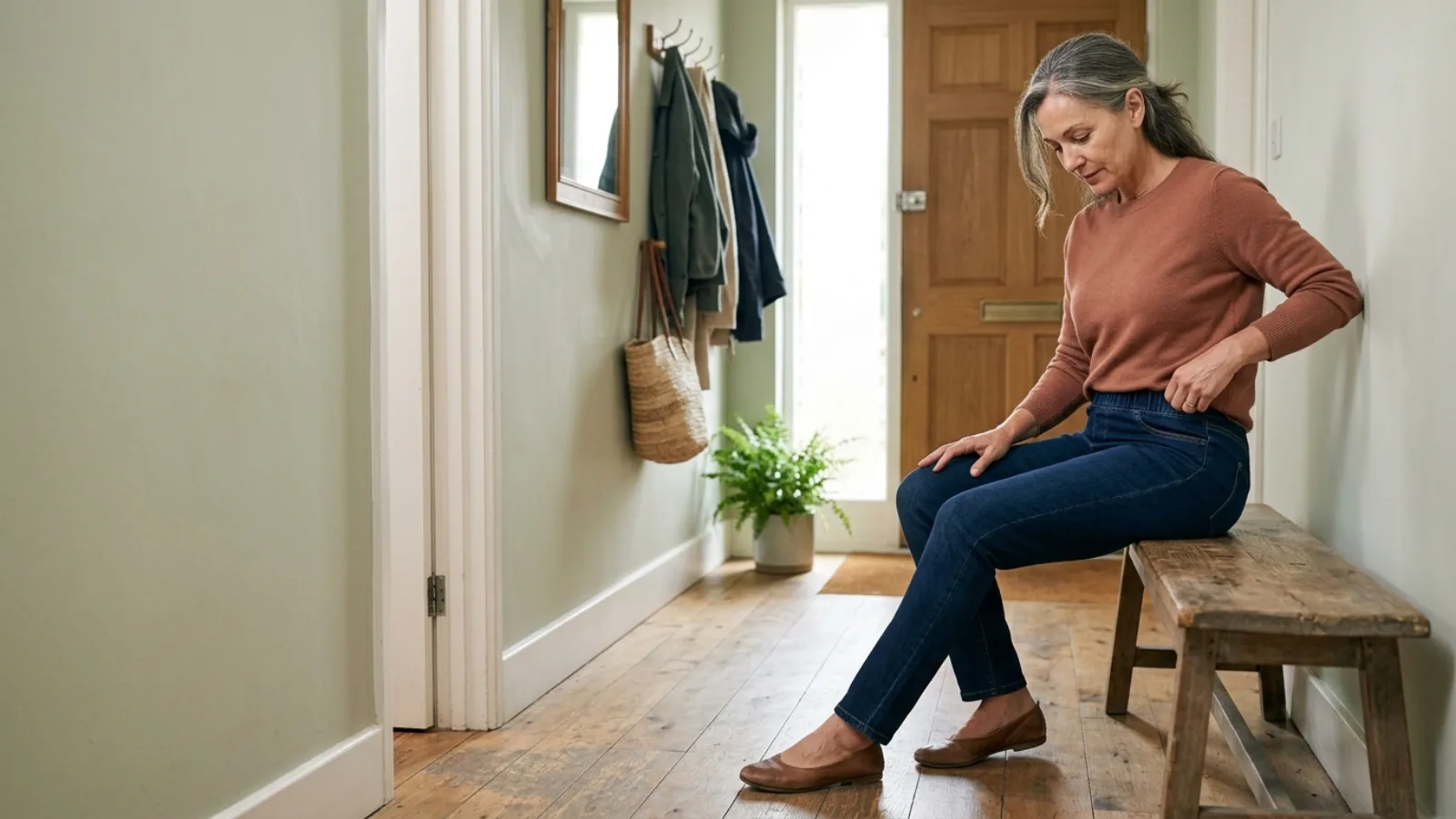
Three published measurements decide most of it. A waistband at least 2 inches deep grips without digging in. Fabric with at least 4 percent elastane recovers after sitting, and fabric with up to 8 percent elastane recovers and still looks like denim.
MeasurementsReviewed September 29, 2026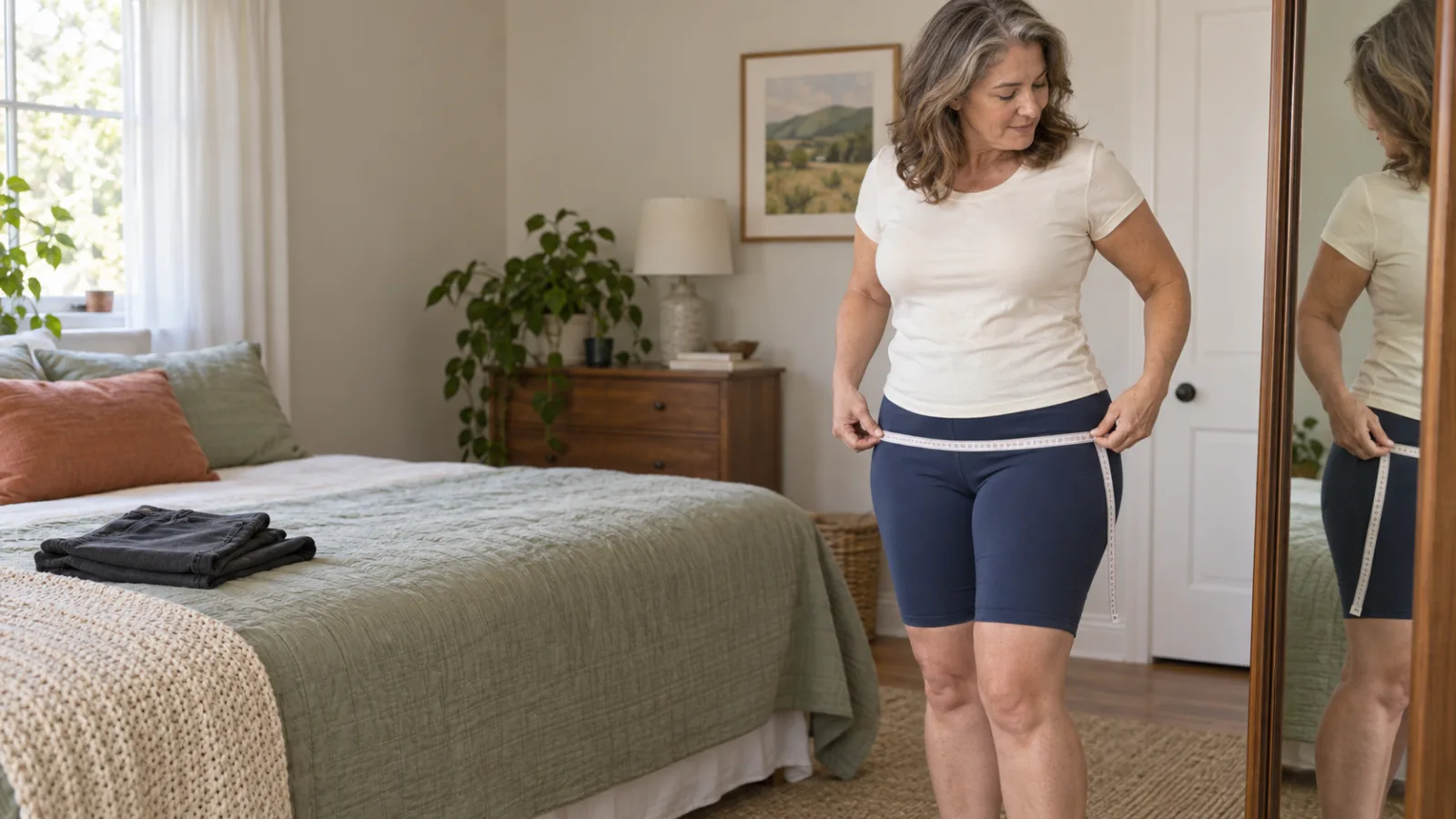
How far below your waist do you measure your hips?
The hip is measured at least 7 inches below the natural waist, and up to 9 inches below it. If you carry weight at the upper thigh, take a second hip measurement 2 inches lower than that first one, so you can compare both numbers against a size chart.
MeasurementsReviewed September 10, 2026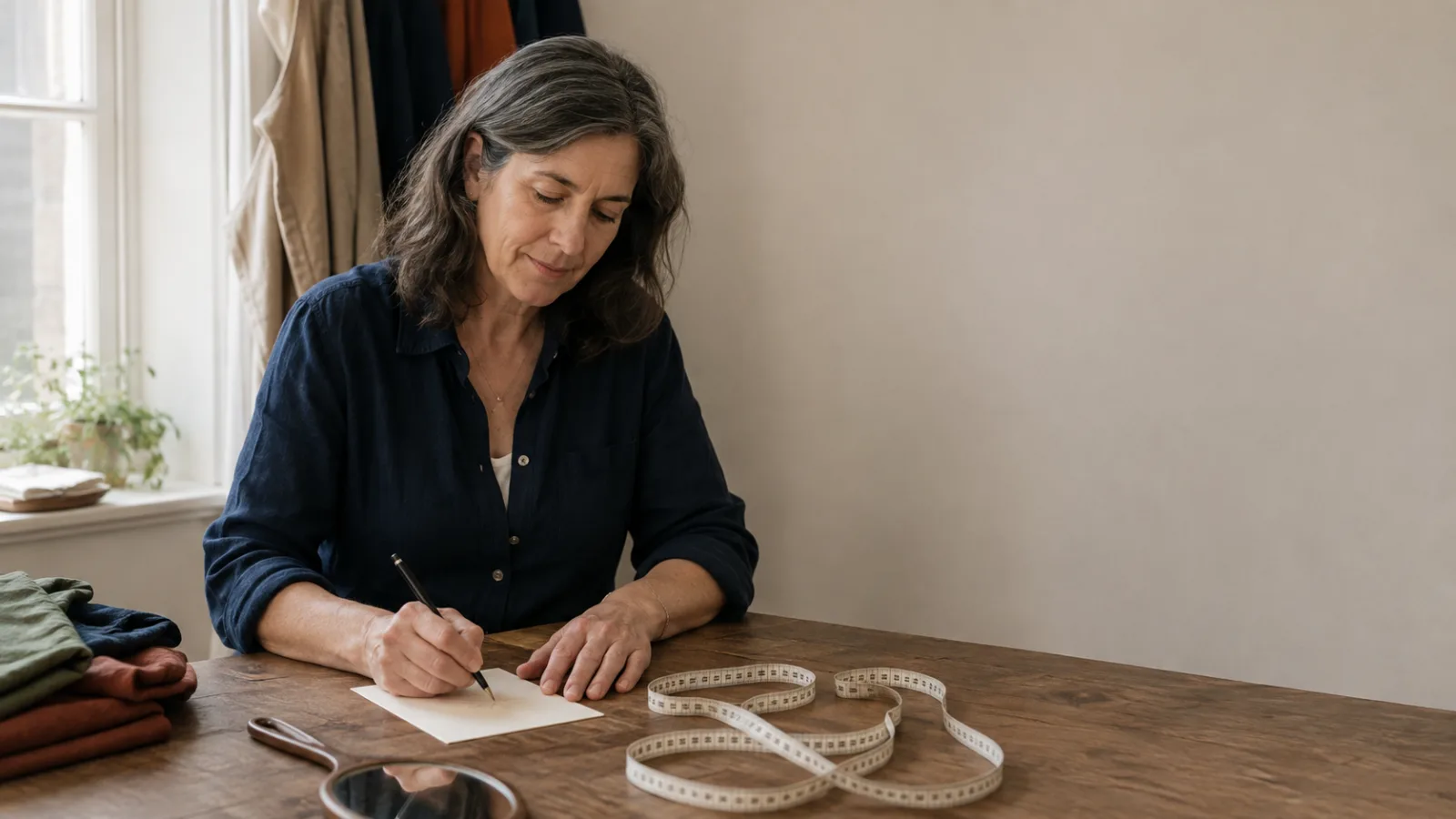
How to measure your hips for pants
Measure around the fullest part of your seat, standing with your feet together, holding the tape level with the floor and snug but not tight. On most bodies that point is 7 to 9 inches below the natural waist.
MeasurementsReviewed September 5, 2026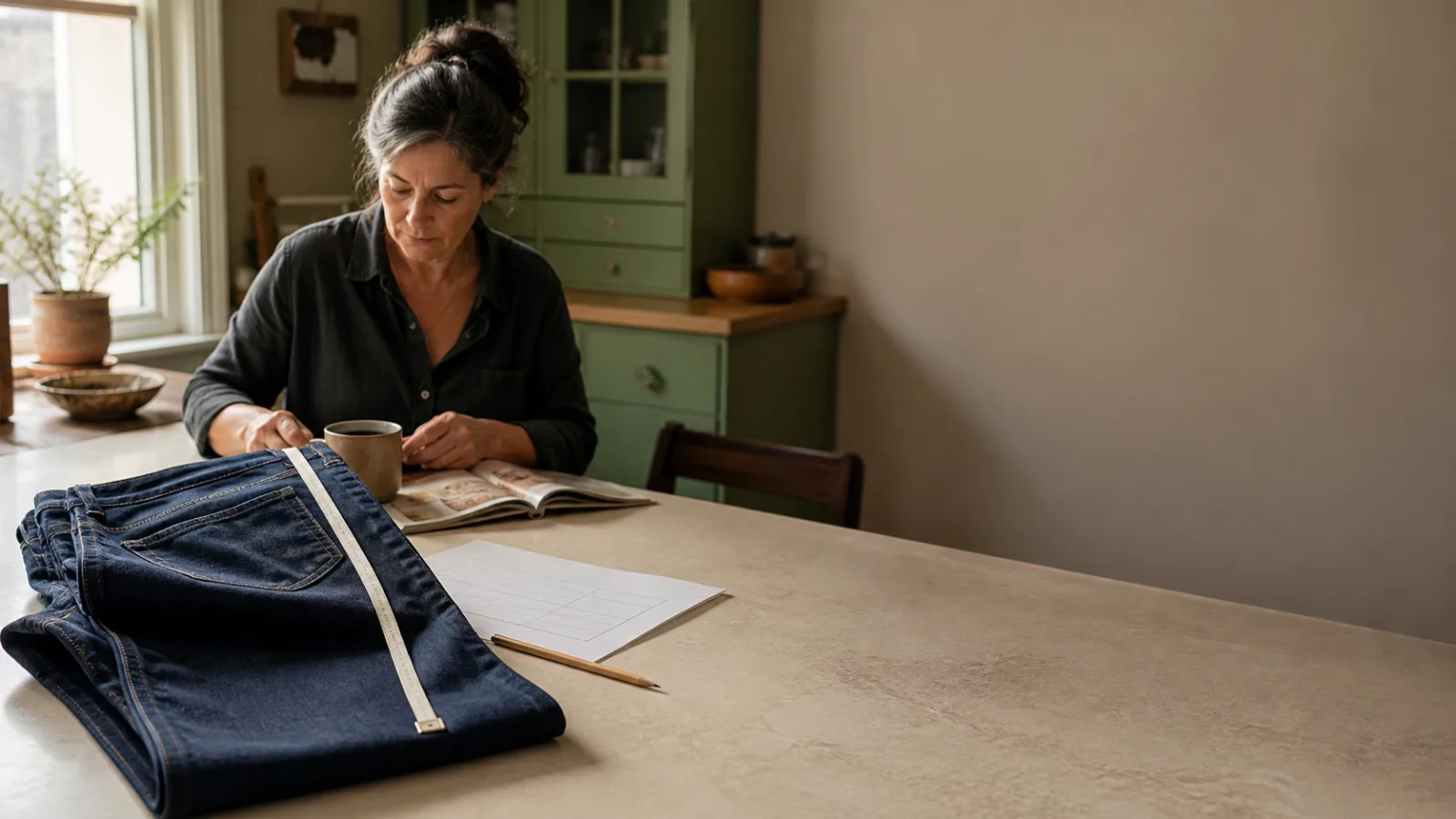
What inseam a 5′2″ woman should look for
At 5 foot 2 inches, a full-length inseam worn with a flat shoe usually sits around 27 to 28 inches, using the rule that a full-length inseam is roughly 45 percent of height. With a low heel, 28 to 29 inches works.
MeasurementsReviewed September 5, 2026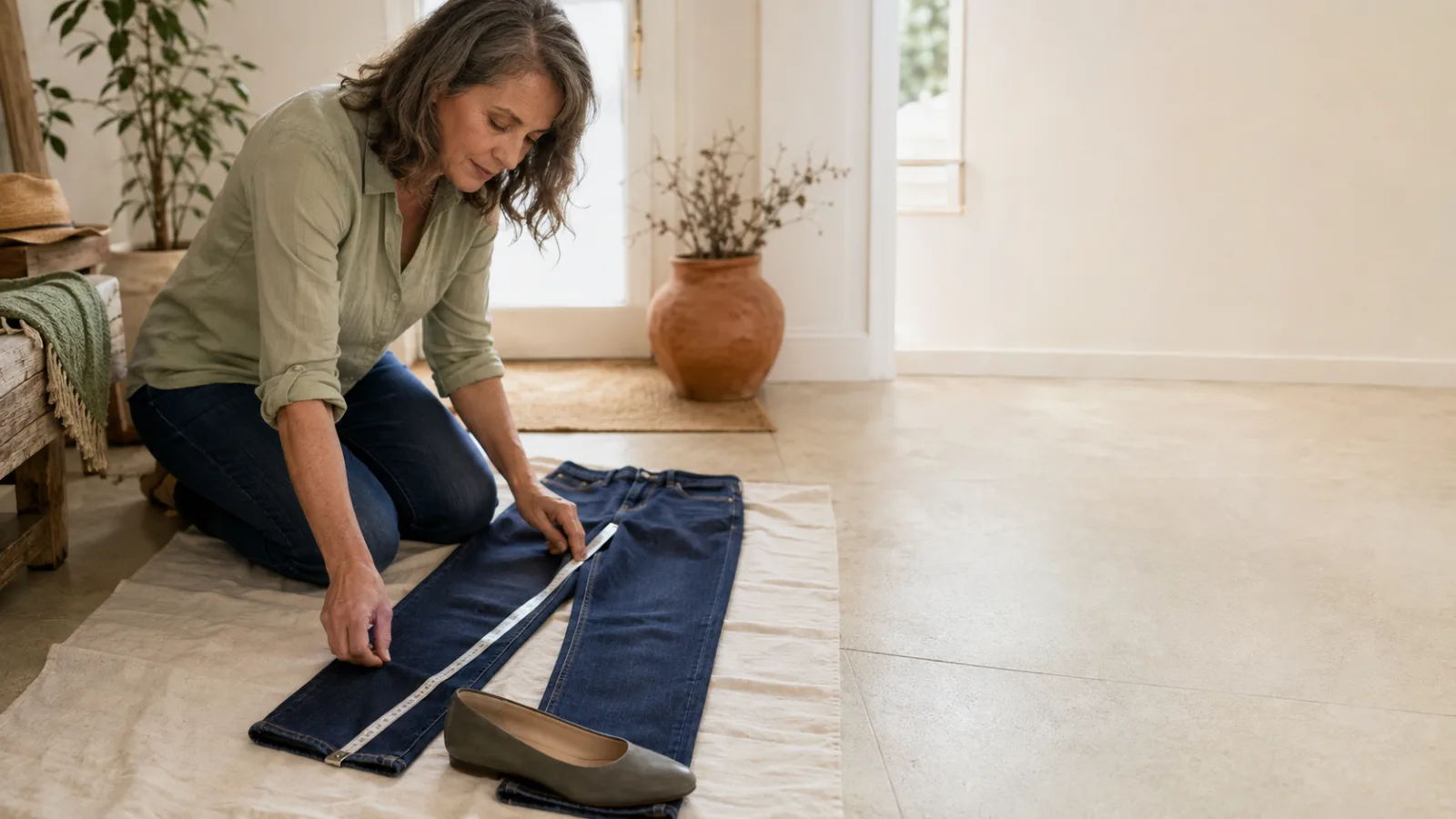
What inseam works at 5 foot 7
At 5 foot 7 a full-length inseam lands near 30 inches, using the rule that a full-length inseam is roughly 45 percent of height. An ankle length runs about 2 inches shorter.
MeasurementsReviewed September 5, 2026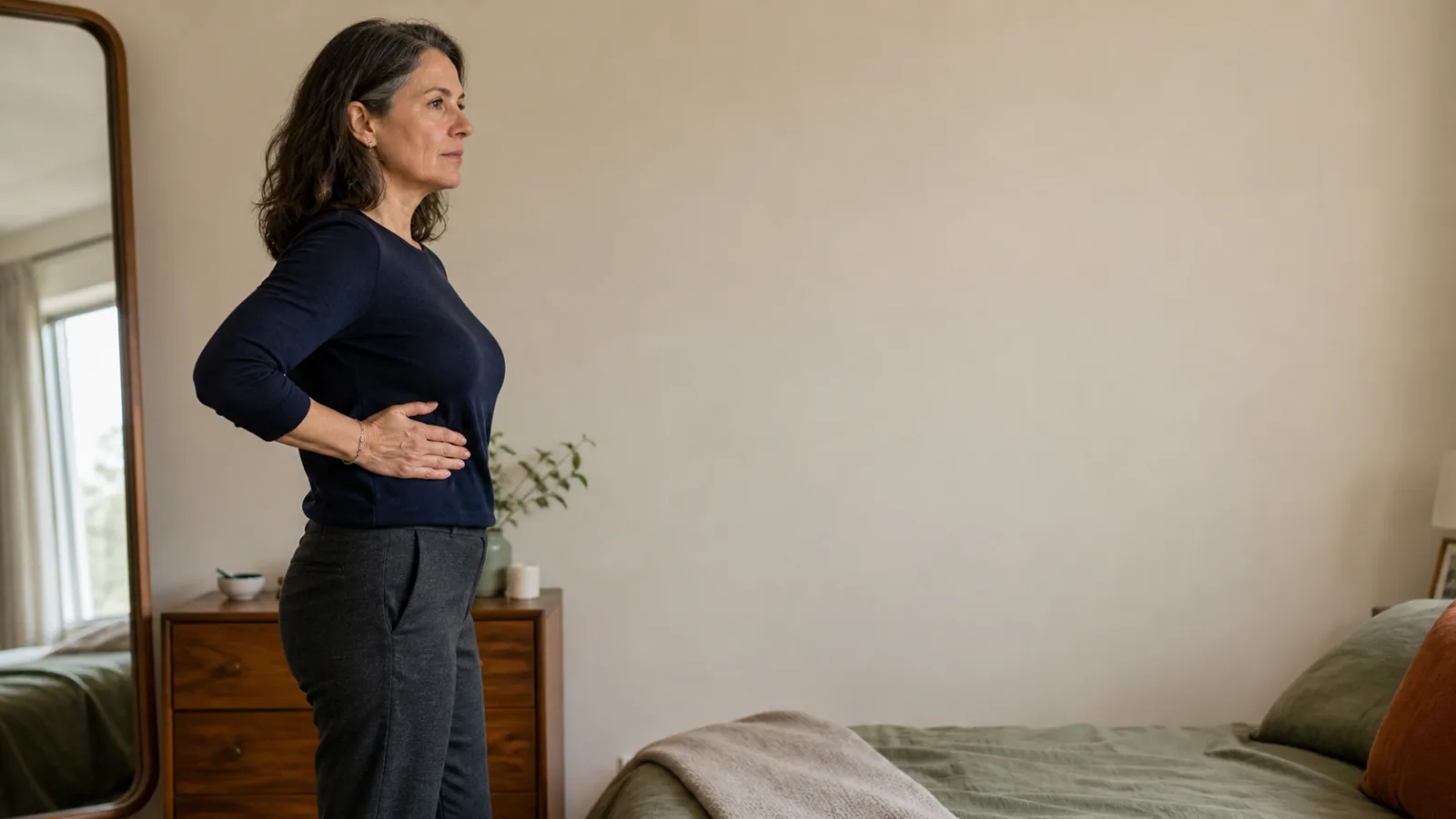
How to tell whether you have a short torso, and what it changes
Find the bottom of your ribcage and the top of your hip bone at the side. If there is less than a hand’s width between them, your torso is short, whatever your height.
MeasurementsReviewed September 5, 2026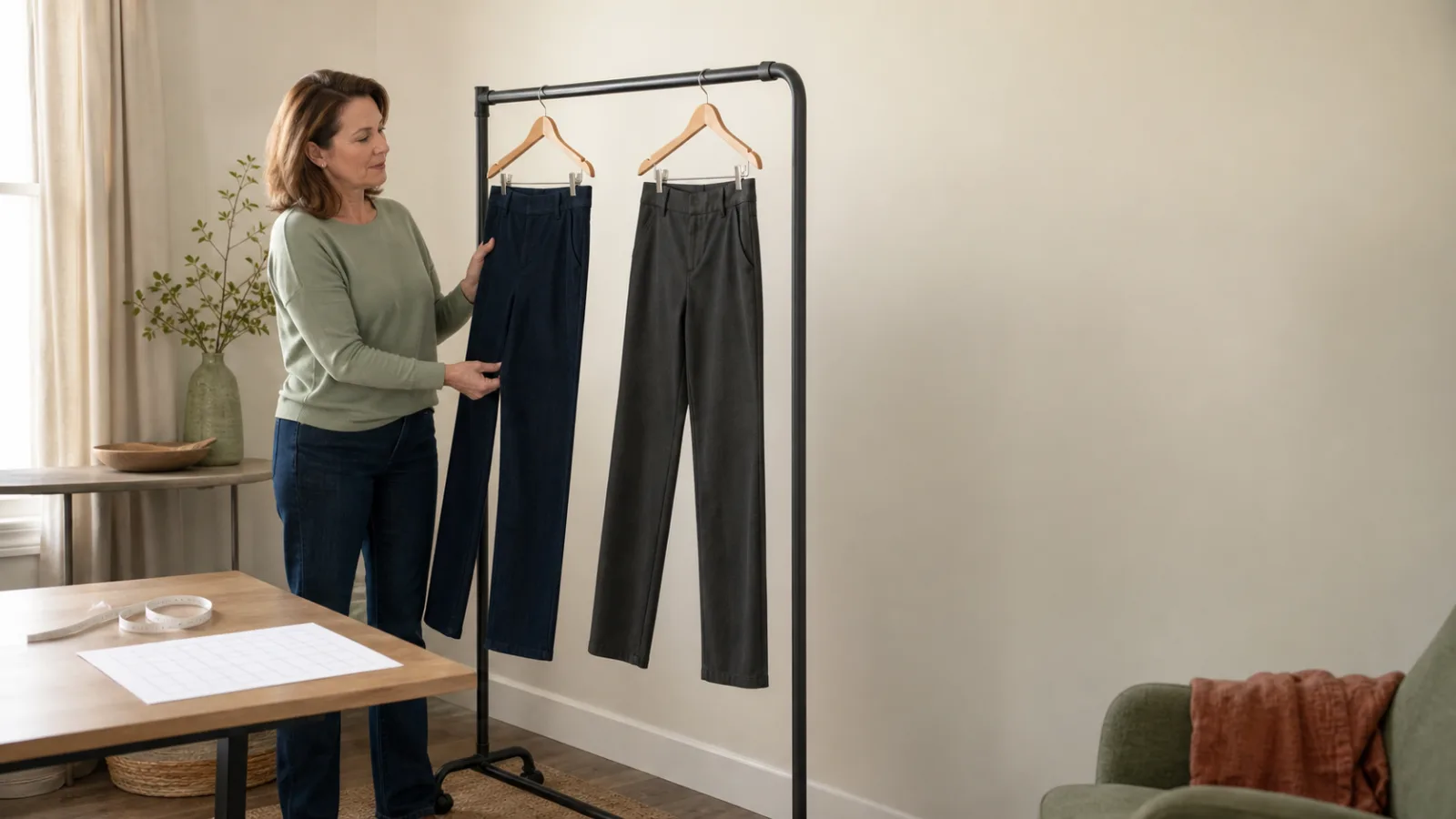
Does height decide whether you need petite pants?
Height is the starting point for petite sizing, not the whole fit decision. Petite ranges generally target heights under 64 in. If you are near that cutoff, use the brand’s size chart and garment measurements rather than assuming the label will settle the fit.
MeasurementsReviewed September 5, 2026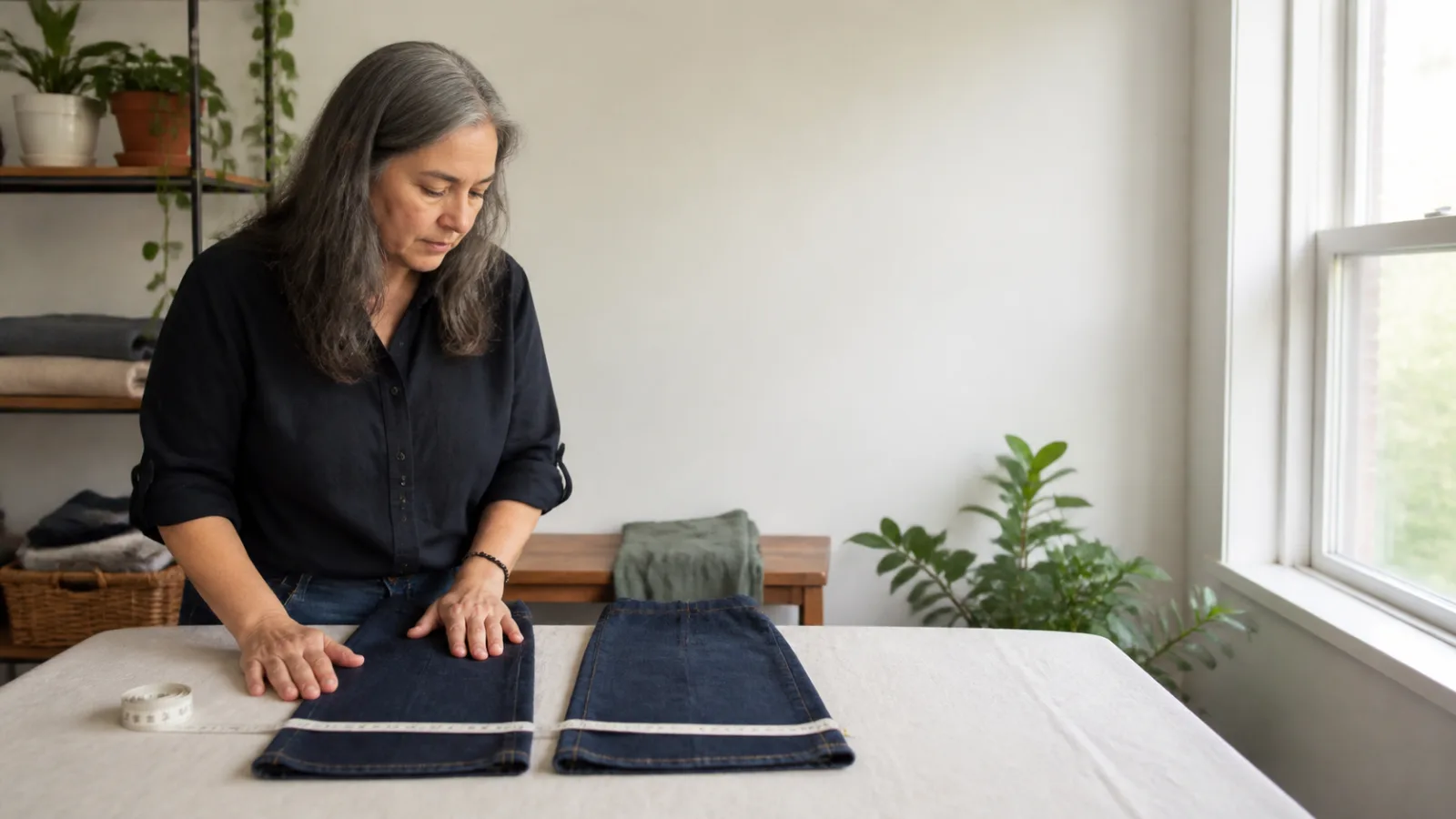
What inseam a 5′4″ woman should look for
At 5 foot 4 inches, a full-length inseam worn with a flat shoe usually sits around 29 inches, from the rule that a full-length inseam is roughly 45 percent of height. With a low heel, 30 inches works.
MeasurementsReviewed September 5, 2026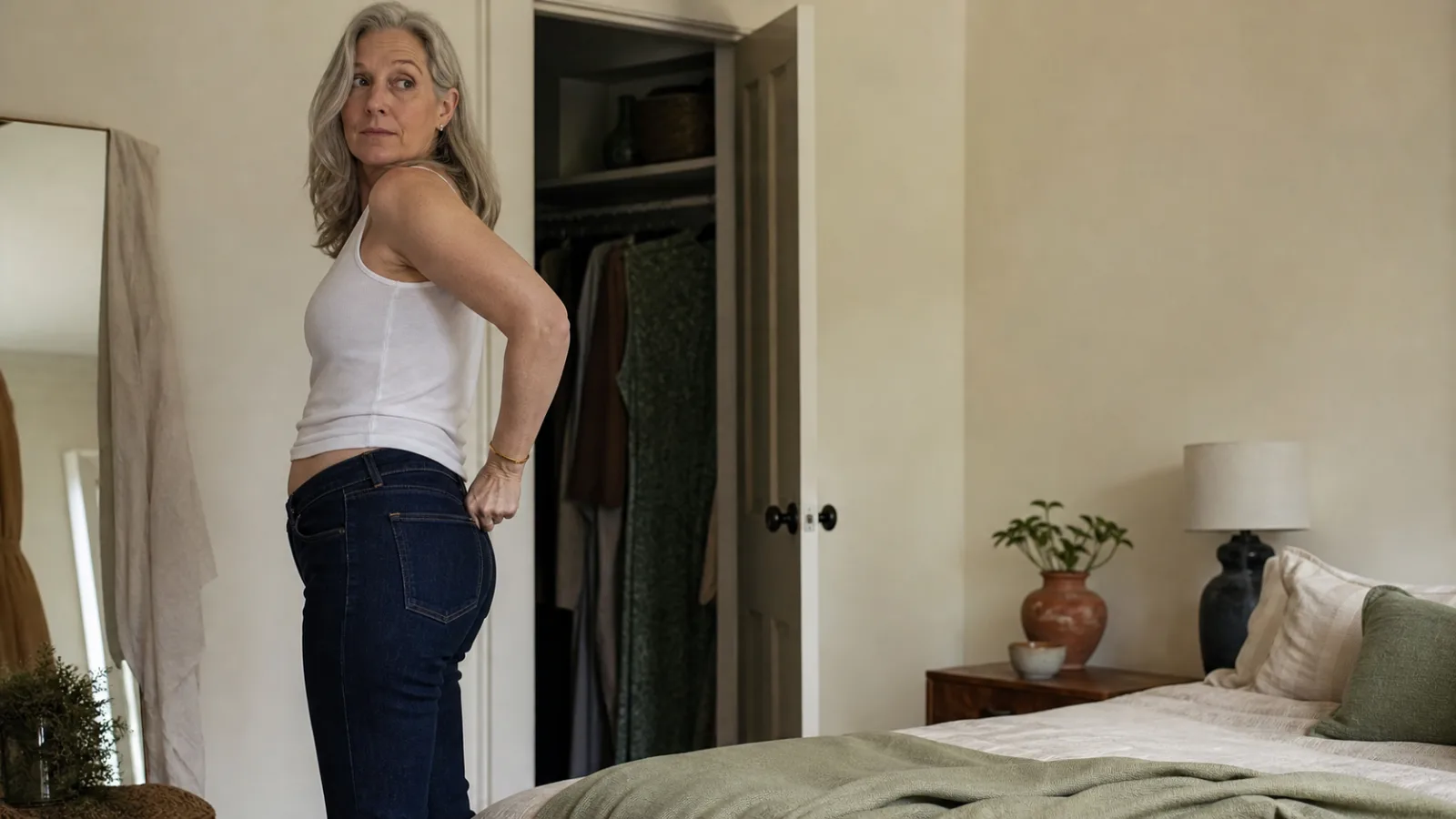
How pull-on jeans should fit, and how to tell before the tags come off
Pull-on jeans should be snug at the waistband and skim everywhere else. The band, at least 2 inches deep, does the job a button and zip do on a woven pair, so it has to grip without digging in: flat against the body standing, a finger of room seated.
MeasurementsReviewed September 5, 2026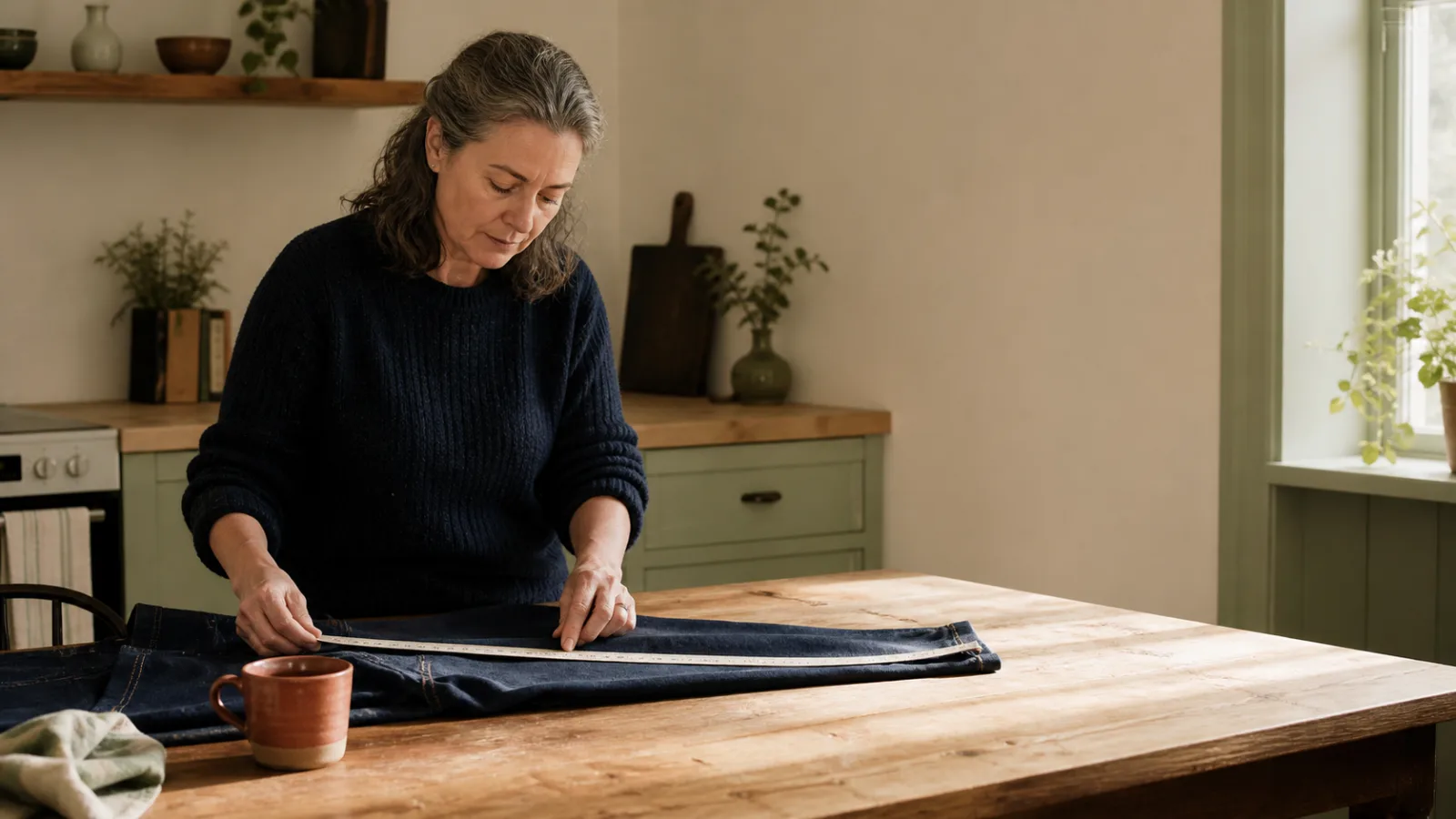
How to measure inseam for women
Measure a pair of pants that already fits: lay them flat and measure from the crotch seam straight down the inner leg to the hem. That number is your inseam, and it is the one to look for on a size chart.
MeasurementsReviewed September 5, 2026
How to measure your waist for pants
Measure your natural waist: the narrowest point of your torso, usually just above the navel. Stand normally, breathe out, and wrap the tape level all the way round, flat against the skin but not tight.
MeasurementsReviewed September 5, 2026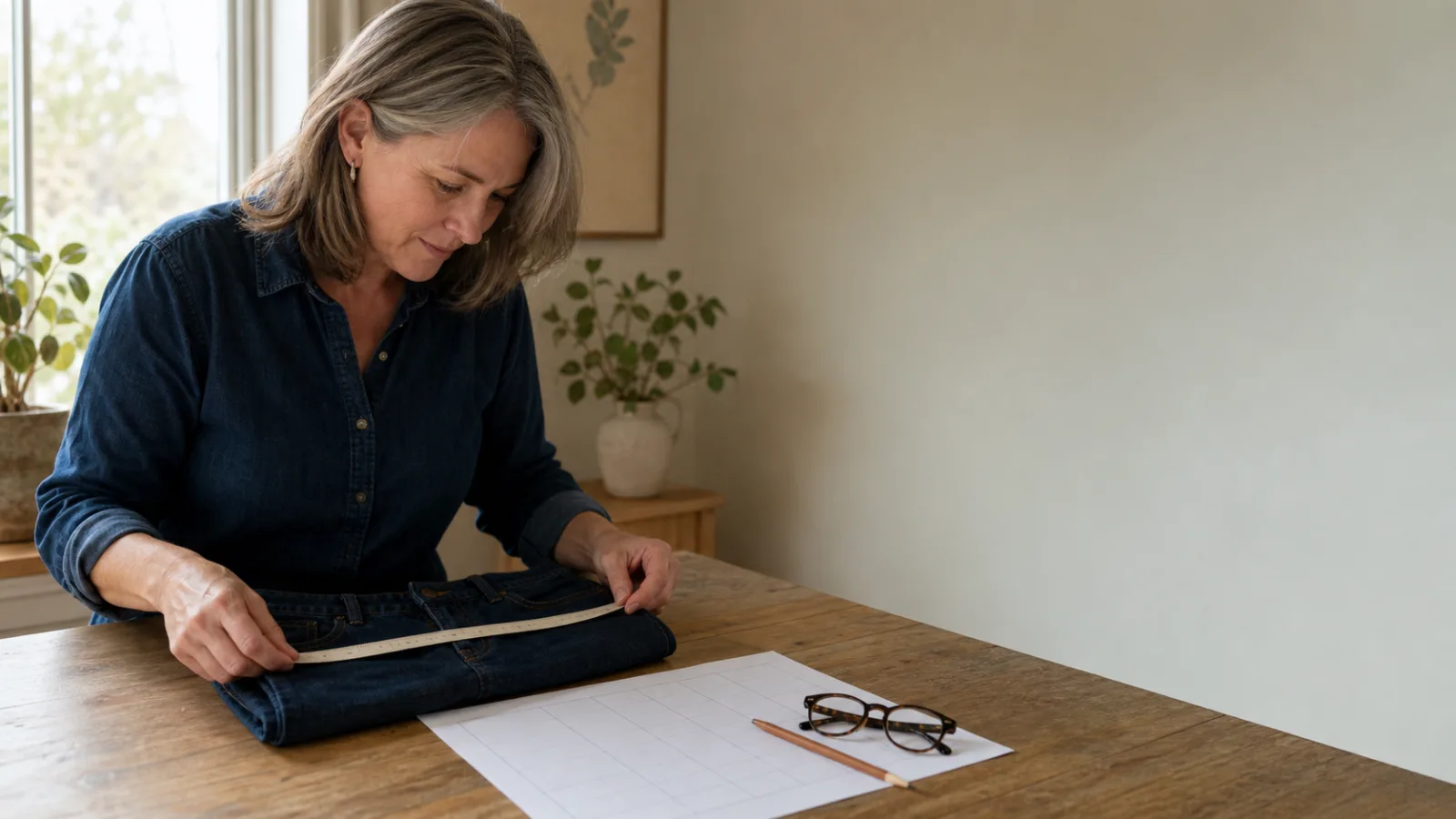
How to read a jeans size chart without getting caught out
A size chart lists either body measurements or garment measurements, and the chart rarely says which. Body charts tell you the body the size is drafted for; garment charts tell you the flat measurement of the pants, which you double to compare with your body.
MeasurementsReviewed September 5, 2026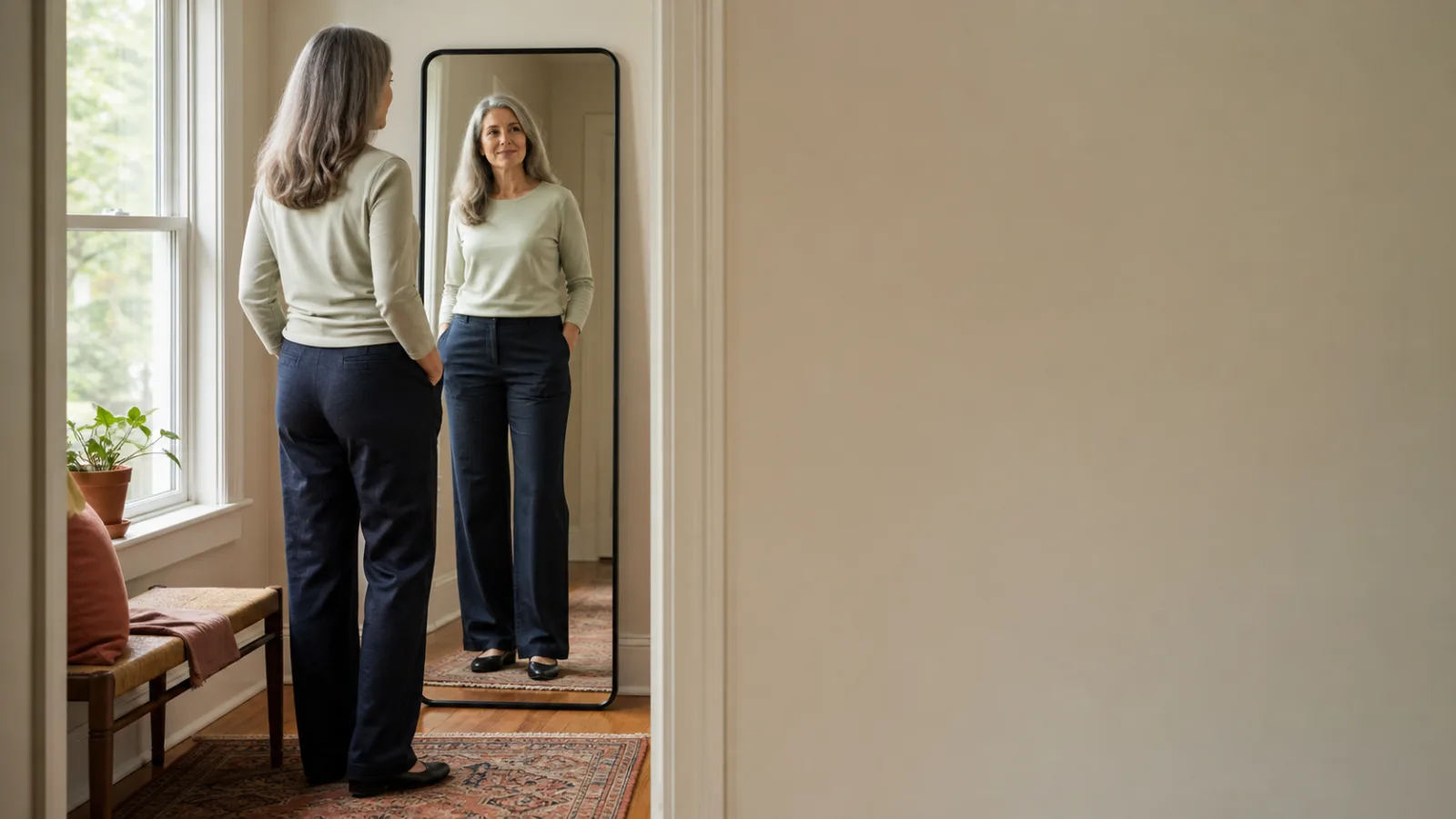
Inseam for tall women: what 5′9″ and up should look for
At 5 foot 9 inches, a full-length inseam with a flat shoe usually sits around 32 inches, from the rule that a full-length inseam is roughly 45 percent of height, and each further inch of height adds close to half an inch.
MeasurementsReviewed September 5, 2026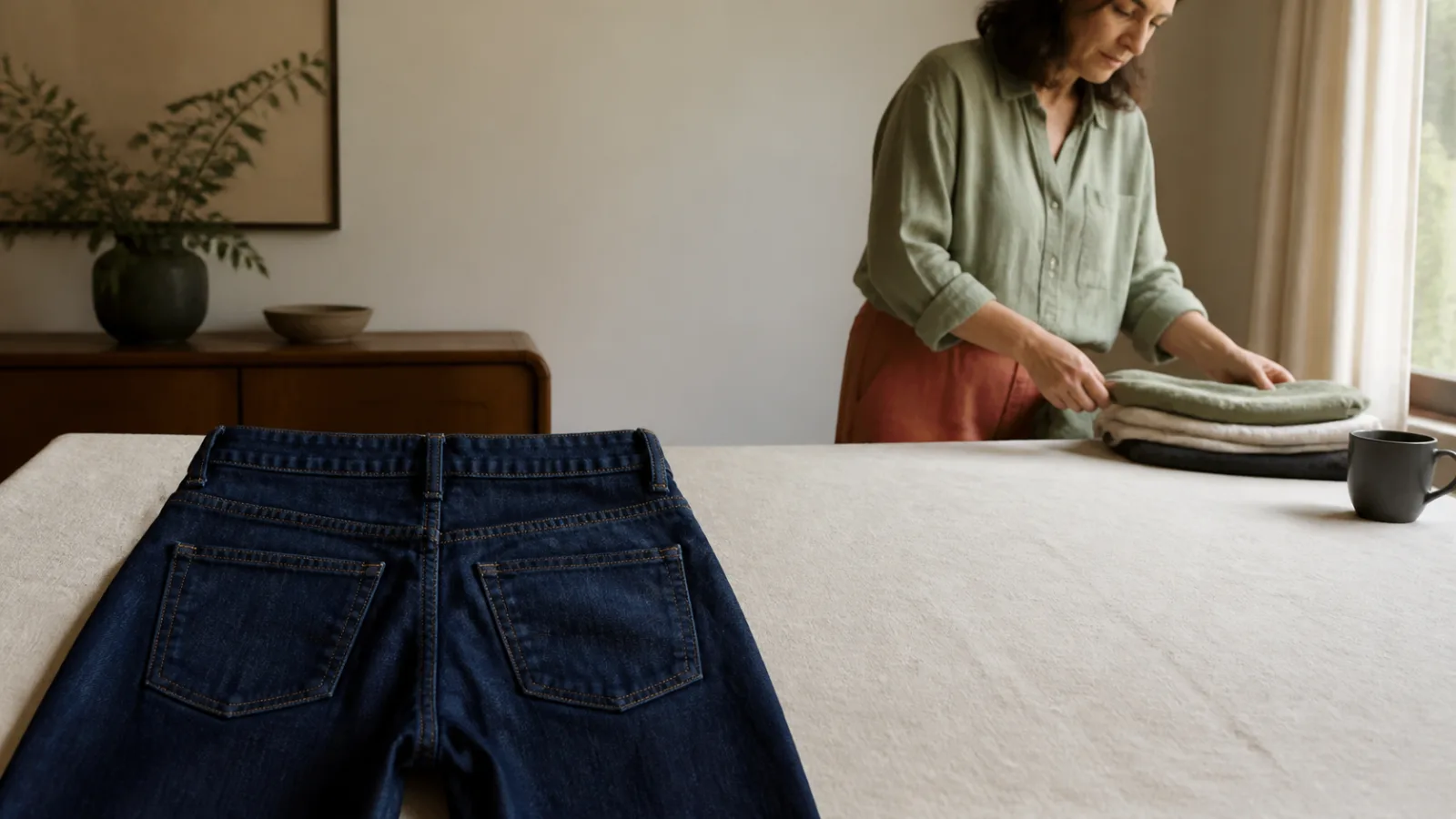
Back rise: the measurement that decides whether you gap
Back rise is the distance from the crotch seam up to the top of the waistband at the back. It is always longer than the front rise, because the body needs more length there to sit down.
MeasurementsReviewed September 5, 2026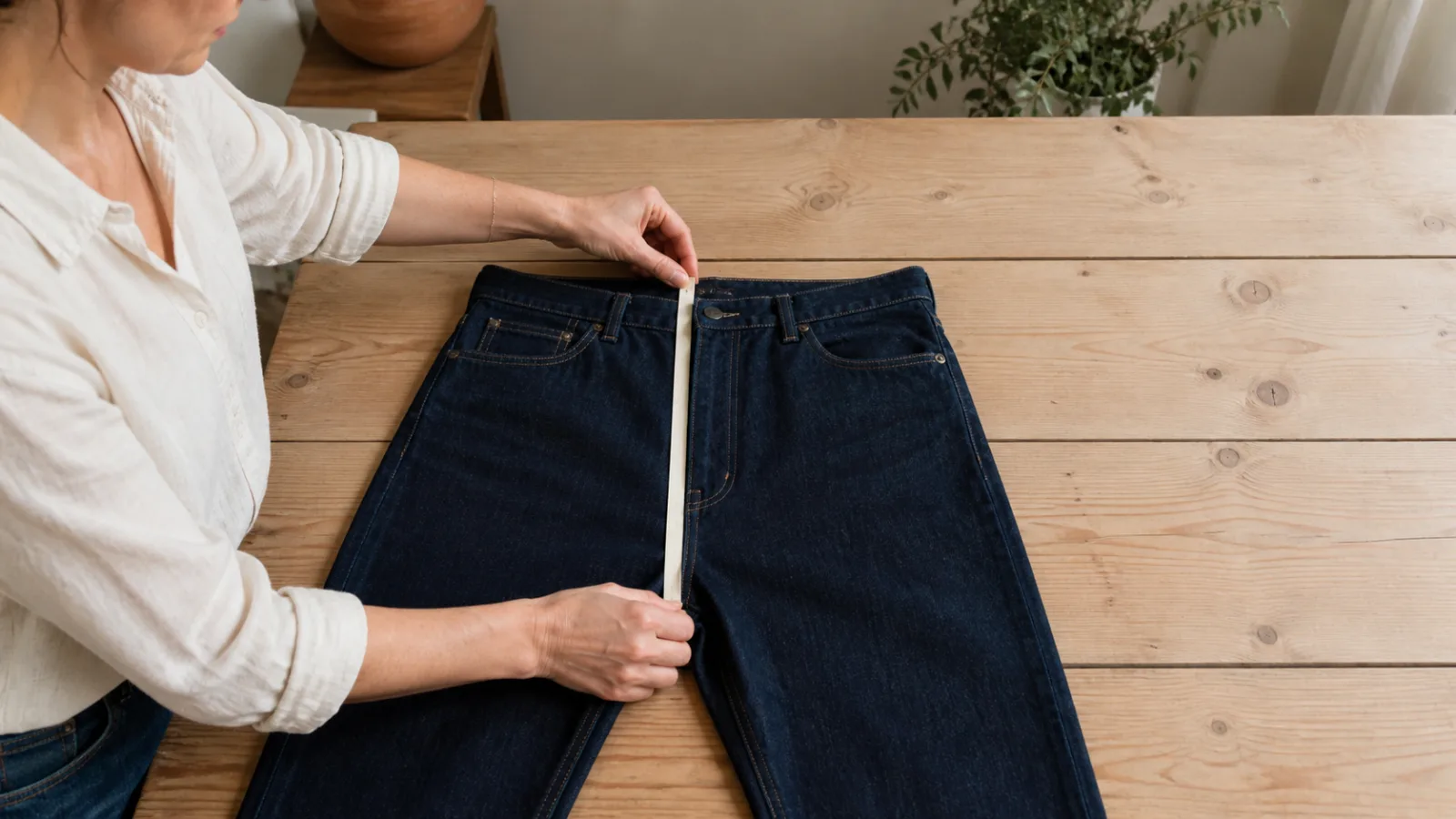
What front rise means, and how to use it
Front rise is the distance from the crotch seam up to the top of the waistband at the front, measured on the garment. It decides where the waistband lands on your torso.
MeasurementsReviewed September 5, 2026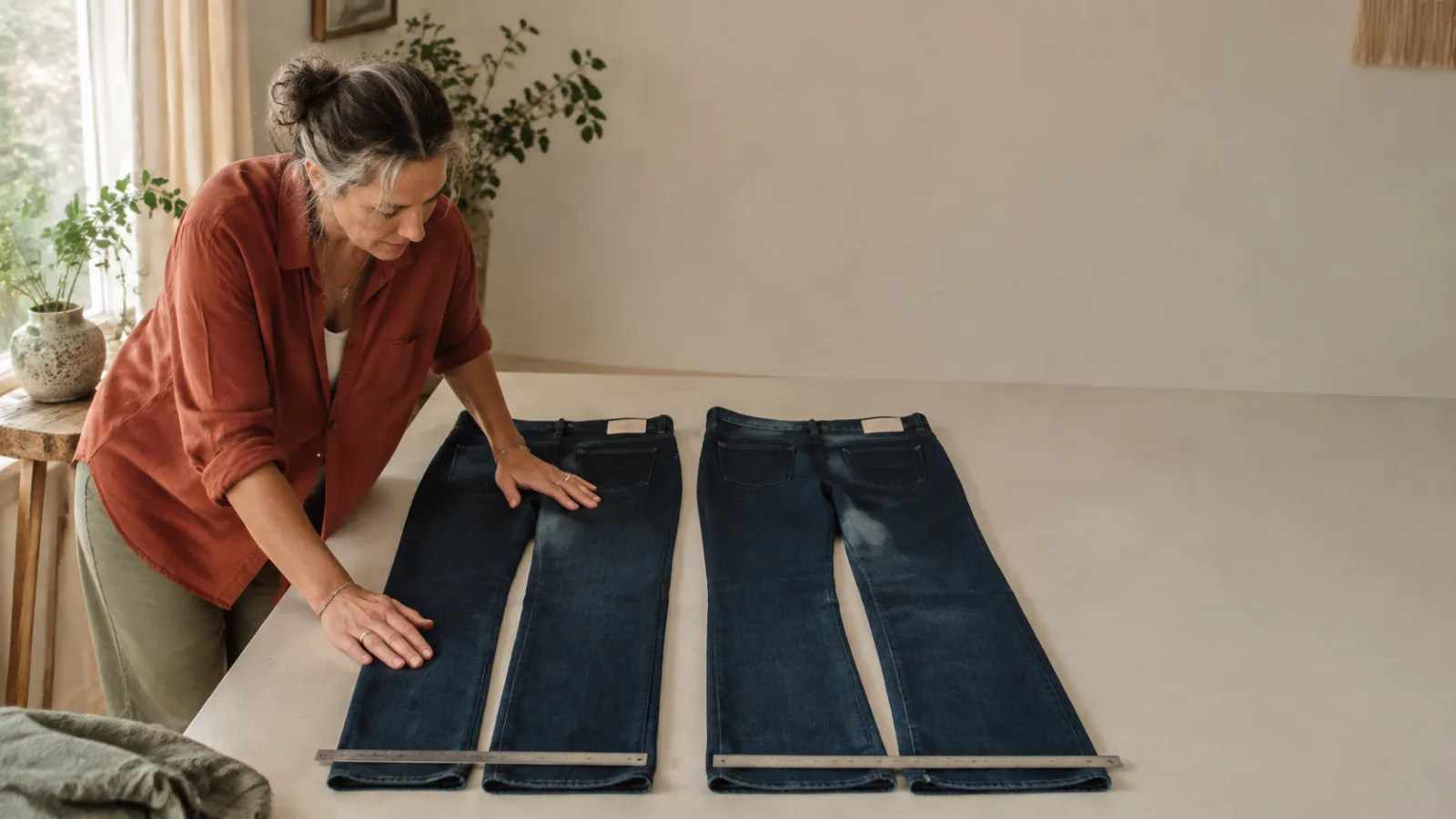
What the leg opening measurement tells you
Leg opening is the width of the hem, measured flat across one leg and doubled if you want the circumference.
MeasurementsReviewed September 5, 2026
Petite vs short sizing: what actually changes
Short usually means only a shorter inseam on the regular pattern. Petite, when a brand drafts it properly, is a different block: the rise is shorter, the knee shaping moves up and the pockets move up with it.
MeasurementsReviewed September 5, 2026
Frequently asked questions
- How do I measure my inseam for women’s pants?
- Lay a pair of pants that already fits flat on a bed, then measure from the crotch seam straight down the inner leg to the hem. That is the inseam to look for on a size chart. Measuring your own leg is less reliable because the tape has to start where the garment crotch seam would sit, which is difficult to judge on yourself.
- What is front rise on a pair of pants?
- Front rise is the distance from the crotch seam up to the top of the waistband at the front, measured on the garment. Roughly 9 to 10.5 inches is a mid rise, and 11 inches and above is a high rise on most women’s blocks. It determines where the waistband sits on your torso.
- What is the difference between petite and short sizing?
- Petite is a full block change: the inseam is shorter, the rise is shorter, and the knee and pocket placement move up. Short is usually just a shorter inseam on the regular block. If a regular pair hemmed shorter still looks wrong on you, you need petite rather than short.
- What inseam works for a 5’2” woman?
- Around 27 to 28 inches for a full-length pair worn with a flat shoe. With a low heel, 28 to 29 inches works. Petite ranges are usually cut to this length, which is why petite often solves the problem that hemming does not.
Scope and limits
These are general fit principles drawn from garment measurements and our own testing notes. Bodies vary, and so does the same nominal size between brands. Always check the specific product page for the measurements and the evidence level behind them.