Making stretch pants last
Key takeaways
- The dryer is the main cause of permanently stretched-out leggings and waistbands.
- Fabric softener coats elastane and reduces both stretch and moisture handling. Skip it.
- Washing after every second or third wear is enough for jeans and jeggings; leggings worn for exercise need washing every time.
- A stretched-out pair usually recovers in a cold wash and air dry. If it does not, the elastane is spent and no treatment restores it.
Last reviewed September 1, 2026 by JEGINS Fit editorial. Reviewed on a six-month cycle.
Washing
- Cold water, always. Elastane degrades with heat. Cold also holds dark dye far longer, which is the other common complaint about black leggings.
- Inside out. Reduces surface abrasion, which is what causes pilling and fading.
- Gentle cycle, and a mesh bag for leggings. Zips and hooks from other garments do most of the visible damage.
- No fabric softener. It leaves a coating that reduces stretch recovery and, on technical fabric, blocks moisture movement.
- Mild detergent, less of it. Excess detergent does not rinse fully out of dense knits and stiffens them over time.
Drying
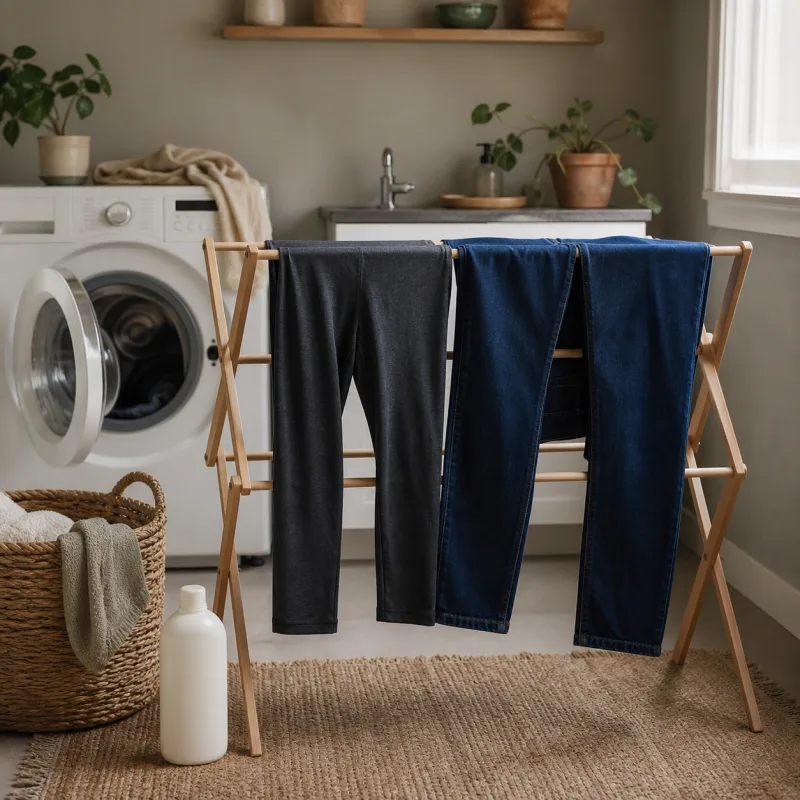
Air dry flat or on a rack. Hanging heavy wet knits by the waistband stretches the waistband, which is the part you least want stretched.
If you must use a dryer, use the lowest heat and remove the garment while it is still slightly damp. The last ten minutes of a hot cycle does most of the damage to elastane.
How often to wash
- Leggings worn for exercise: every wear. Sweat degrades elastane and sets odour into synthetic fibres quickly.
- Leggings worn as everyday wear: every two to three wears.
- Jeggings and pull-on jeans: every three to four wears, or when they have stretched out enough to feel loose — a wash restores the shape.
- Stretch jeans: every four to six wears. More frequent washing fades them without adding anything.
Fixing specific problems
Pilling between the thighs
Use a fabric shaver held flat against the fabric. Do not use a razor, which cuts into the knit and creates thin spots. Prevention is washing inside out, cold, in a mesh bag, and skipping the dryer.
Black leggings fading
Cold water and inside out are the two changes that matter. Wash dark garments together, avoid detergents containing optical brighteners, and keep them out of direct sun when drying.
Stretched-out leggings or waistband
A cold wash and air dry restores most temporary stretch. If they stay loose after that, the elastane has lost recovery permanently. Hot water does not shrink them back — it damages the remaining elastane and makes it worse.
Do jeggings shrink?
The cotton or rayon content can shrink slightly on first wash; the elastane does not. Wash cold and air dry and shrinkage is usually under 2%. A hot wash and hot dry can shrink the base fibre while damaging the elastane, which produces a garment that is both tighter and baggier in different places.
Storage
Fold knits rather than hanging them. Hanging leggings and ponte pants by the waistband over months lets gravity stretch the band. For woven jeans, hanging is fine and helps them keep their line. Full details for each product, including its published care instructions, are on the individual product pages.
Guides in this section
Each answers one question and names the date a human last checked it.
Can detergent bring back faded leggings?
Detergent can clean leggings, but it should not be treated as a dye repair. If the fabric dye has faded, detergent will not put that color back into the yarn. The safer care goal is to avoid harsh washing choices that can make dye loss more noticeable.
CareReviewed September 6, 2026
How to get odour out of synthetic leggings
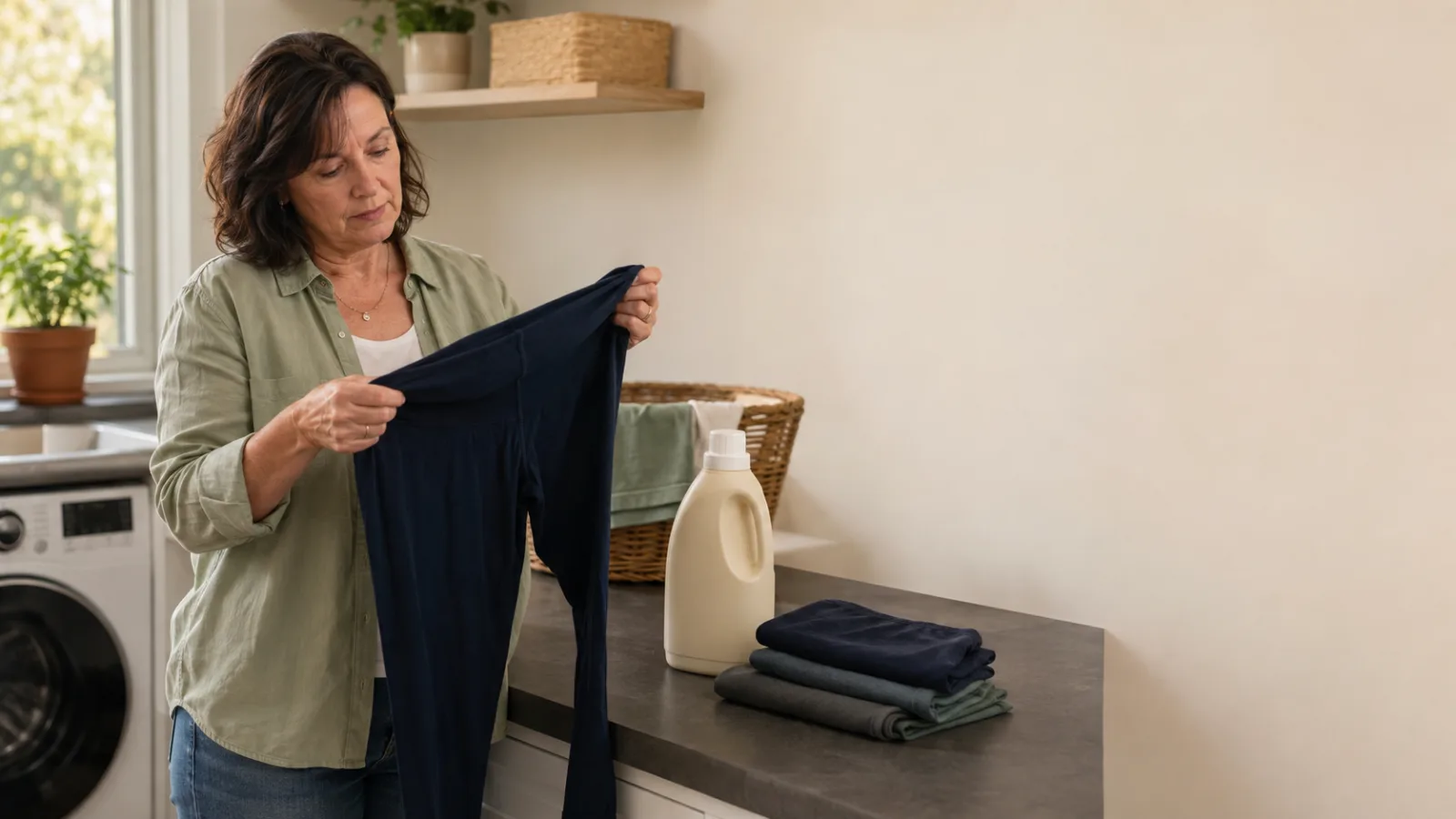
Persistent odour in synthetic leggings usually means bacteria have built up in the fibre itself rather than sitting on the surface, which is why a normal wash cycle can leave a faint smell even on visibly clean fabric.
CareReviewed September 6, 2026
How to remove pilling from leggings
A fabric shaver or pilling comb, run gently over the affected area on dry fabric, cuts the small fibre balls away from the surface without pulling on the base knit the way scissors or picking by hand can.
CareReviewed September 6, 2026
Do jeggings shrink in the wash?
Jeggings can shrink somewhat, mostly in the cotton or other natural-fibre share of the blend, but the elastane content resists the kind of shrinkage a fully woven denim jean can show.
CareReviewed September 6, 2026
Can you restore stretched-out leggings?
Partial recovery is possible; complete recovery is not something we can promise, and how much comes back depends on how the fabric got stretched in the first place.
CareReviewed September 6, 2026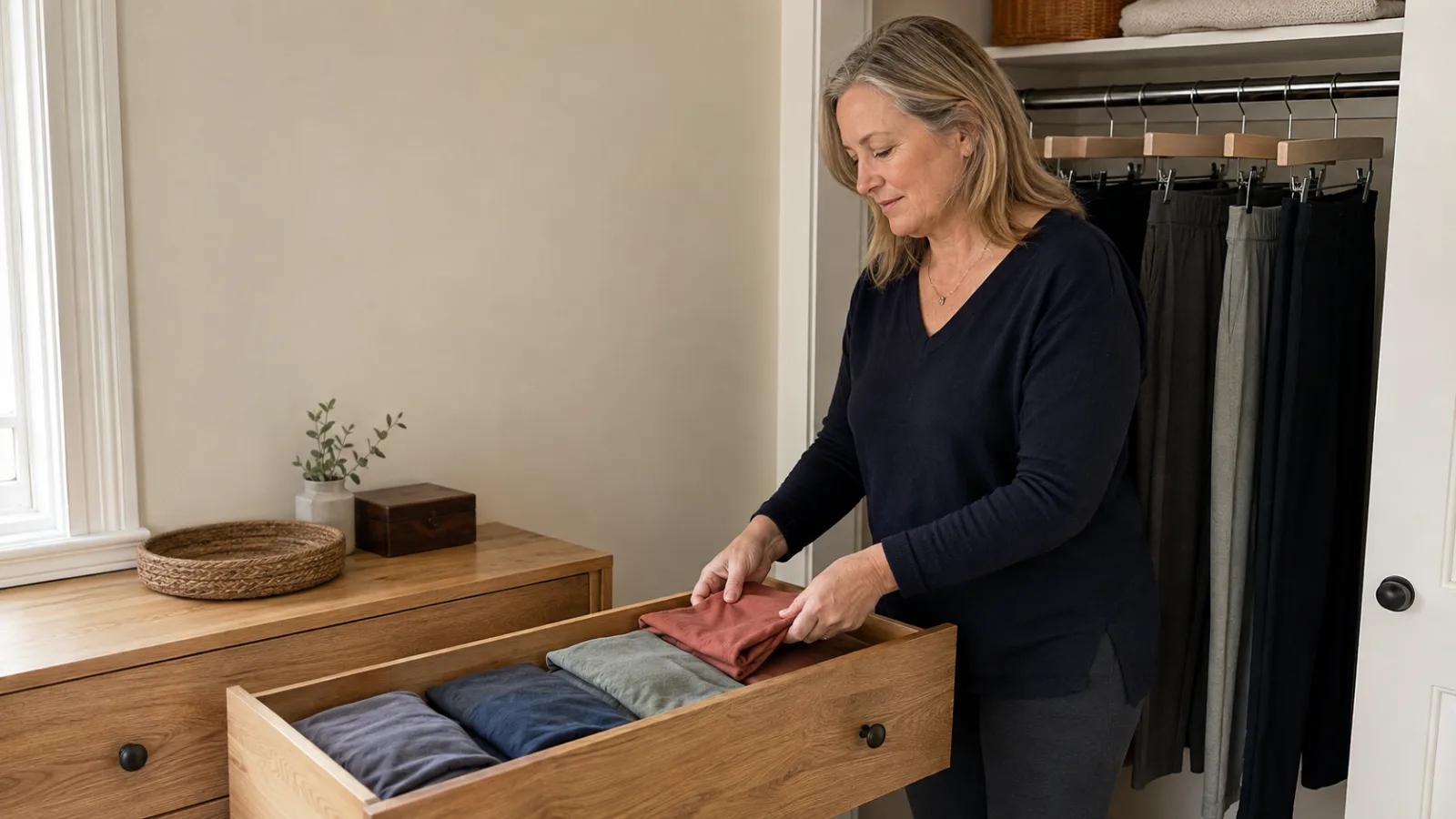
How to store leggings and stretch pants
Folding is generally the better choice for leggings and other elastane-containing stretch pants, because hanging by the waistband lets gravity pull on that one point of fabric continuously, which over time can stretch the waistband out of shape faster than…
CareReviewed September 5, 2026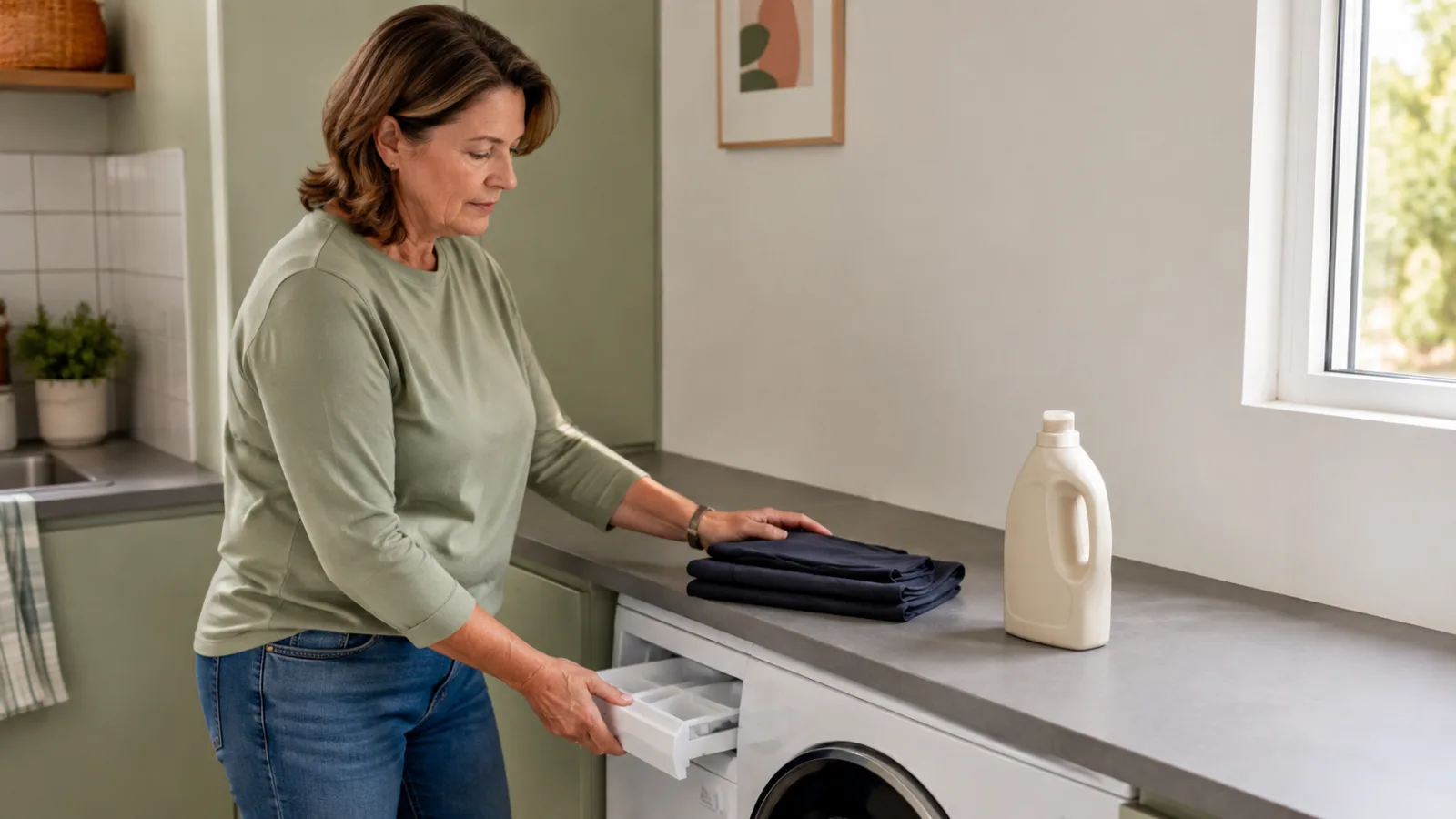
Should you use fabric softener on stretch fabric?
Liquid fabric softener is generally not recommended for elastane-containing stretch fabric, because it coats fibres with a residue that reduces the fabric's breathability and, on some finishes, can degrade the fibre's recovery over repeated washes.
CareReviewed September 5, 2026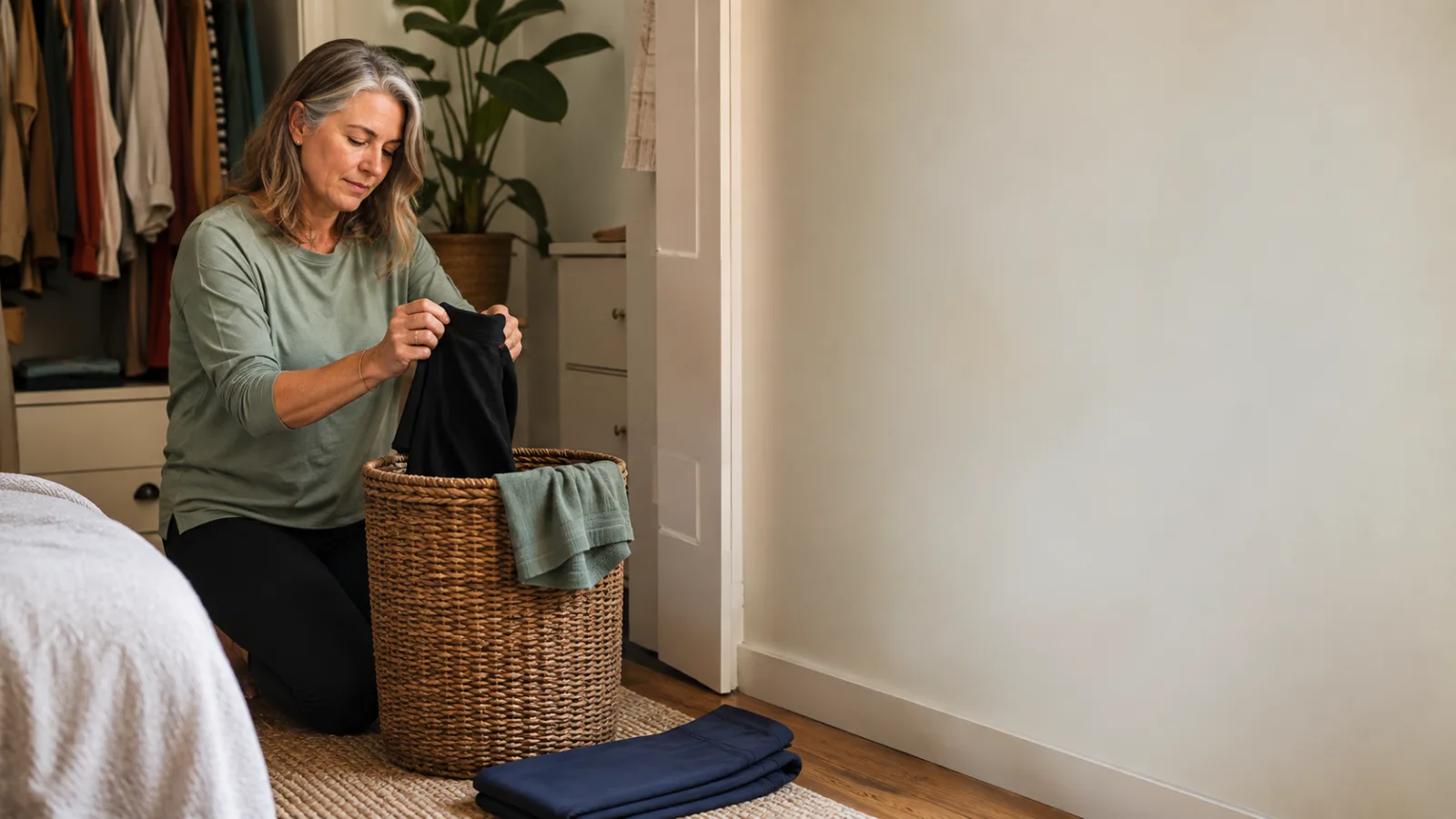
How often to wash leggings
Washing after every wear is the safer default for leggings worn for activity or against skin all day, because the synthetic knit most leggings are made from holds odour-causing bacteria more than cotton does, even when the fabric does not look dirty.
CareReviewed September 5, 2026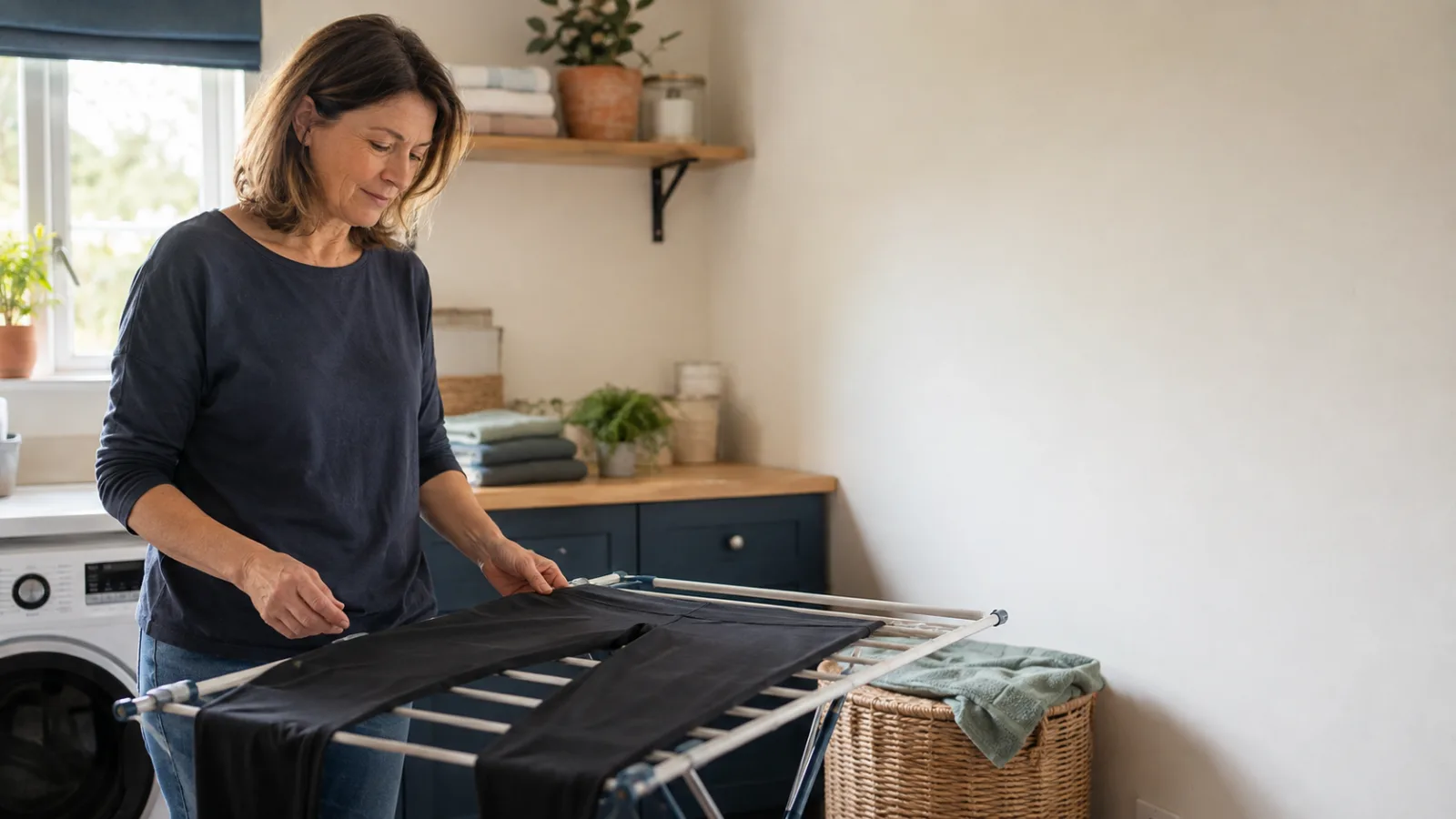
Can Drying Restore Stretched-Out Leggings?
Drying may make stretched leggings feel temporarily closer to the body, but it is not a reliable repair for lost elasticity.
CareReviewed September 5, 2026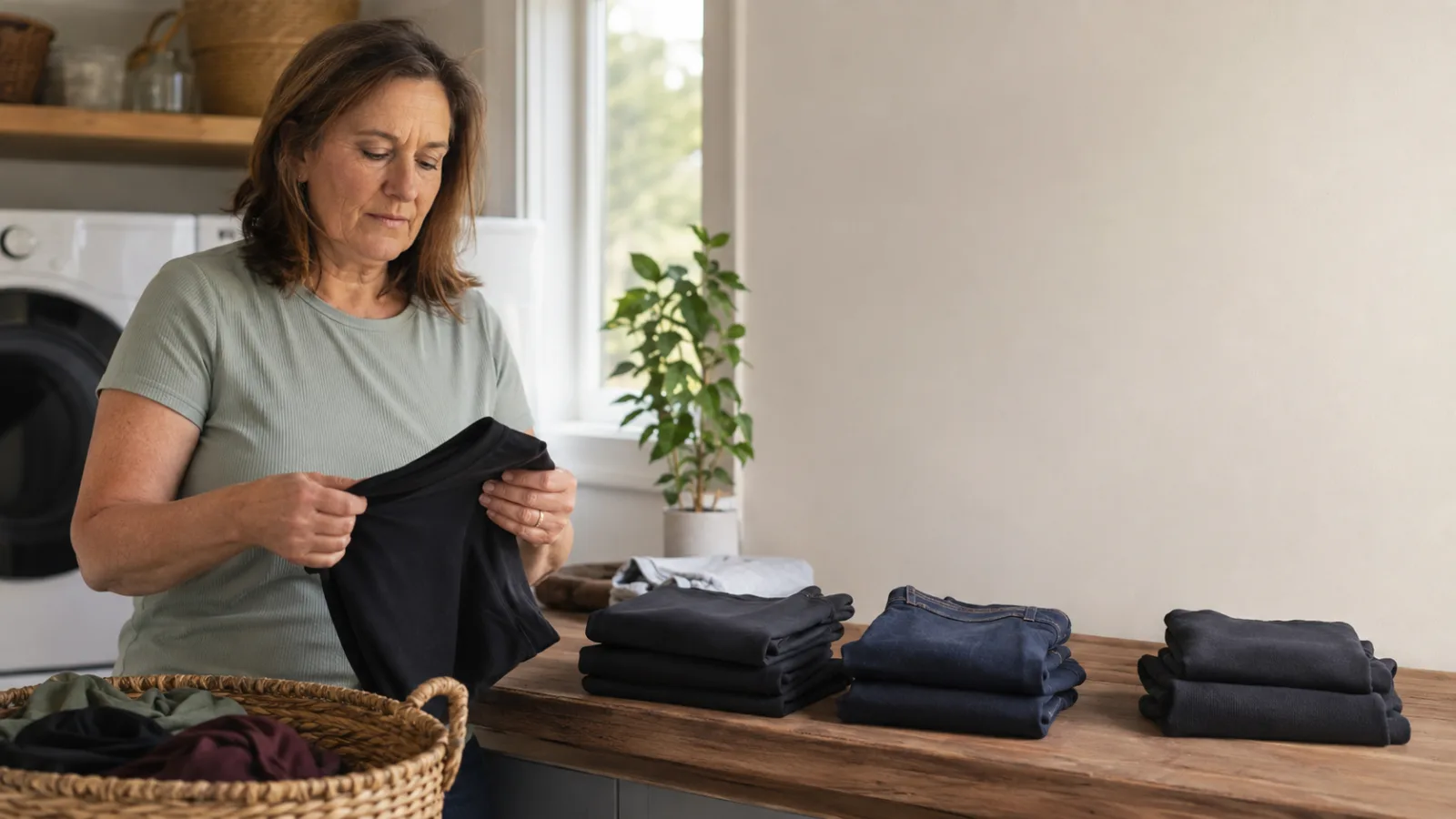
How often should leggings be washed?
The care standard gives a normal-use interval for stretch jeans: wash them after 4 to 6 wears. It does not give a separate leggings interval, so treat that range as the published reference point for stretch bottoms and follow the garment care label when it is…
CareReviewed September 5, 2026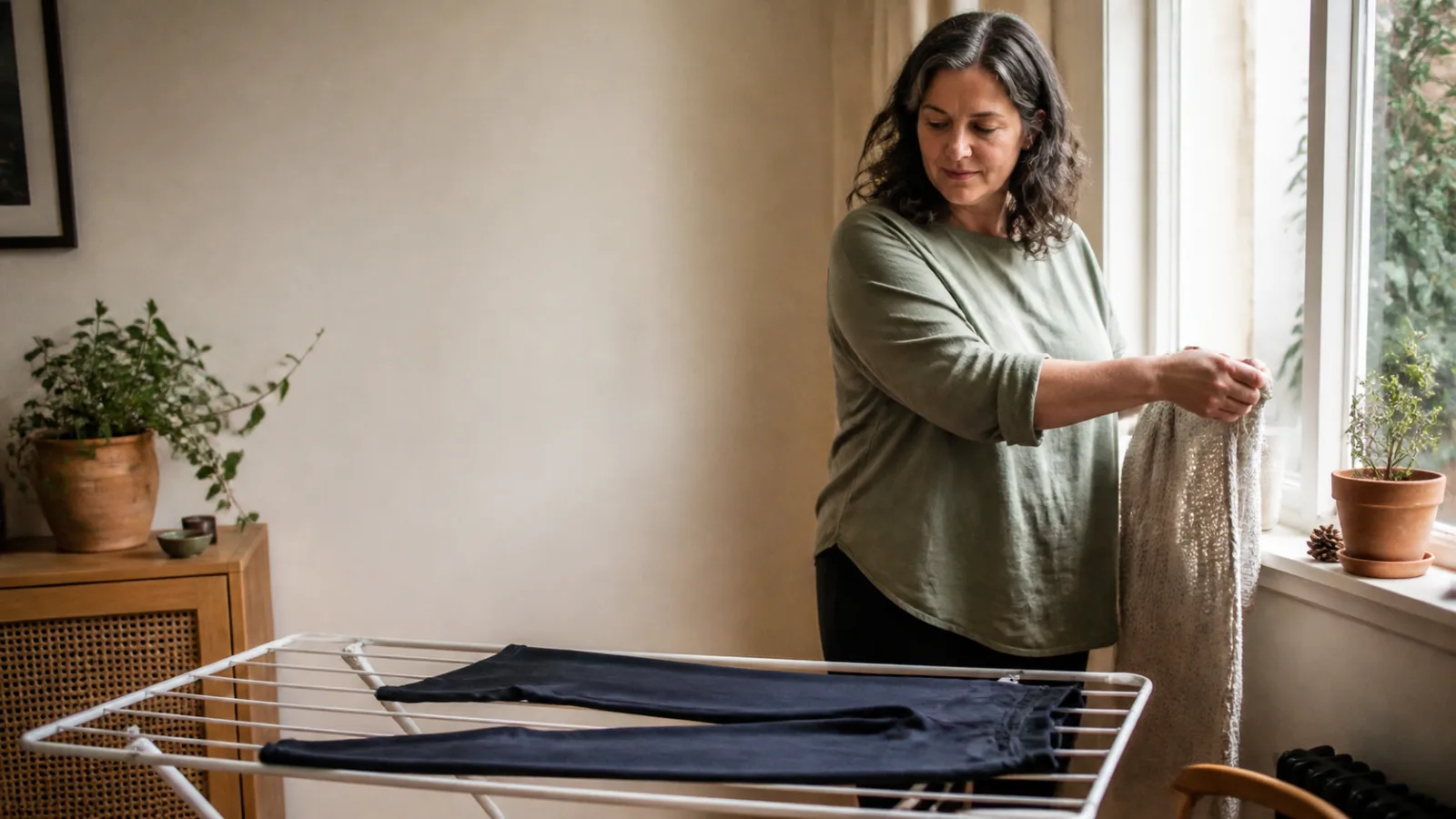
Should leggings go in the dryer?
Preferably not. Heat breaks down elastane, which is the fibre that makes leggings return to shape, so the dryer is the main cause of permanently stretched-out leggings and waistbands.
CareReviewed September 5, 2026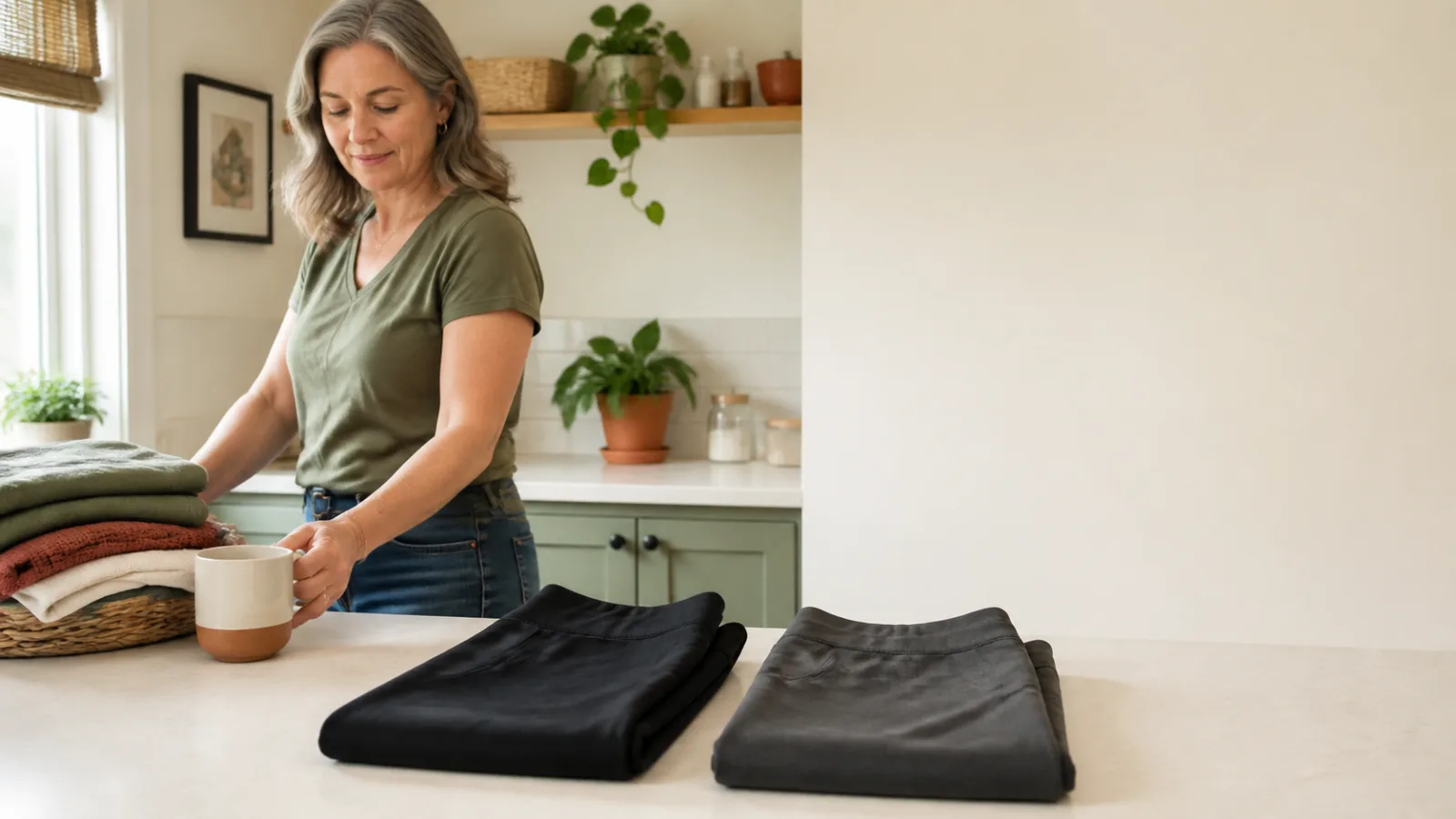
How to keep black leggings from fading
Wash cold, inside out, with dark colours only, and avoid detergents containing optical brighteners. Dry out of direct sunlight. Heat and surface abrasion cause most visible fading, and both are controlled by how you wash rather than by what you buy.
CareReviewed September 5, 2026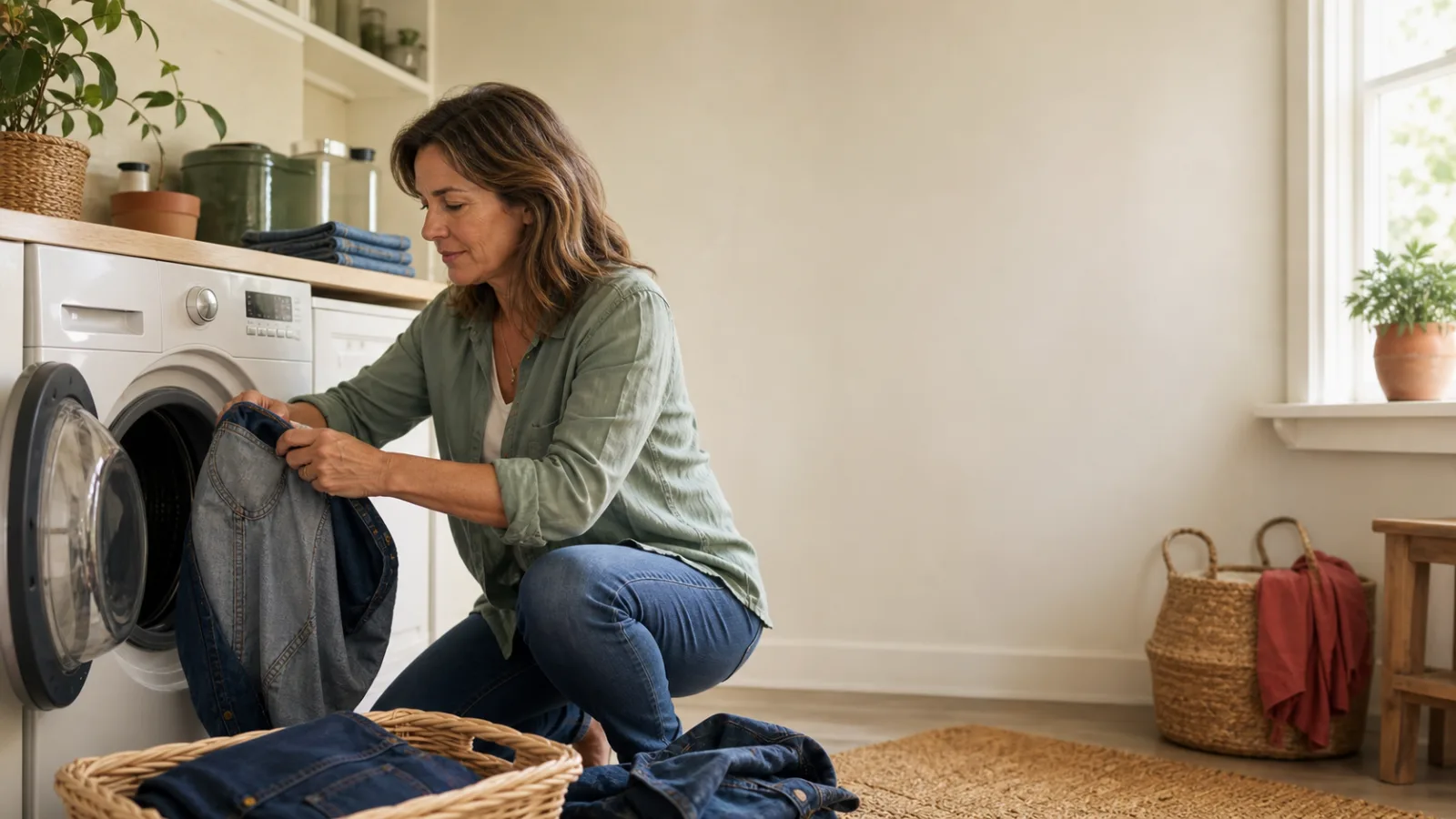
How to wash stretch jeans
Wash cold, inside out, on a gentle cycle, and air dry. Heat is what destroys elastane, and elastane is what makes the pair return to shape. Washing every four to six wears is enough; more frequent washing fades the denim without adding anything.
CareReviewed September 5, 2026
Frequently asked questions
- Should leggings go in the dryer?
- Preferably not. Heat breaks down elastane, which is the fibre responsible for the garment returning to shape. If you use a dryer, use the lowest heat setting and take them out while slightly damp. Air drying flat is the single biggest thing you can do to extend their life.
- How do I stop black leggings from fading?
- Wash cold, inside out, with dark colours only, and avoid detergents with optical brighteners. Dry out of direct sunlight. Heat and surface abrasion cause most of the visible fading.
- How do I remove pilling from leggings?
- Use a fabric shaver held flat against the surface. Avoid razors, which cut into the knit and create thin spots. To prevent new pills, wash inside out in a mesh bag on cold and skip the dryer.
- Can I restore stretched-out leggings?
- A cold wash and air dry restores most temporary stretch, which is why they feel like new again after washing. If they stay loose after that, the elastane has permanently lost recovery. Hot water does not shrink them back; it accelerates the damage.
Scope and limits
These are general fit principles drawn from garment measurements and our own testing notes. Bodies vary, and so does the same nominal size between brands. Always check the specific product page for the measurements and the evidence level behind them.