Back rise: the measurement that decides whether you gap
Key takeaways
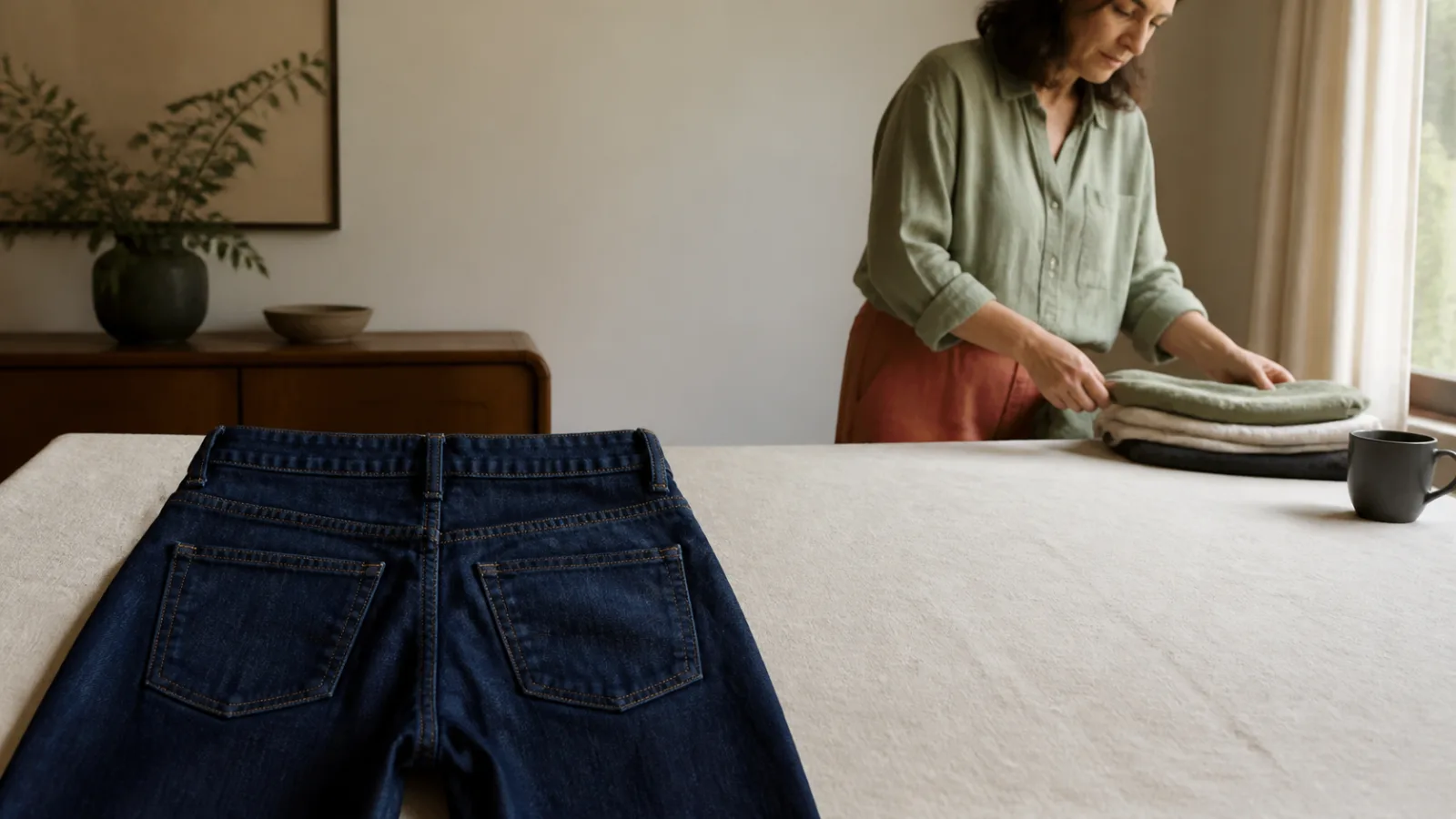
- Back rise is measured on the garment, from the crotch seam to the top of the waistband at the back.
- A back rise 4 to 5 inches longer than the front rise is a normal, comfortable difference.
- A small difference between front and back rise is the usual cause of the waistband dropping when you sit.
- Adding a size does not fix a back rise that is too short; it only loosens the hip.
Why the back needs more length
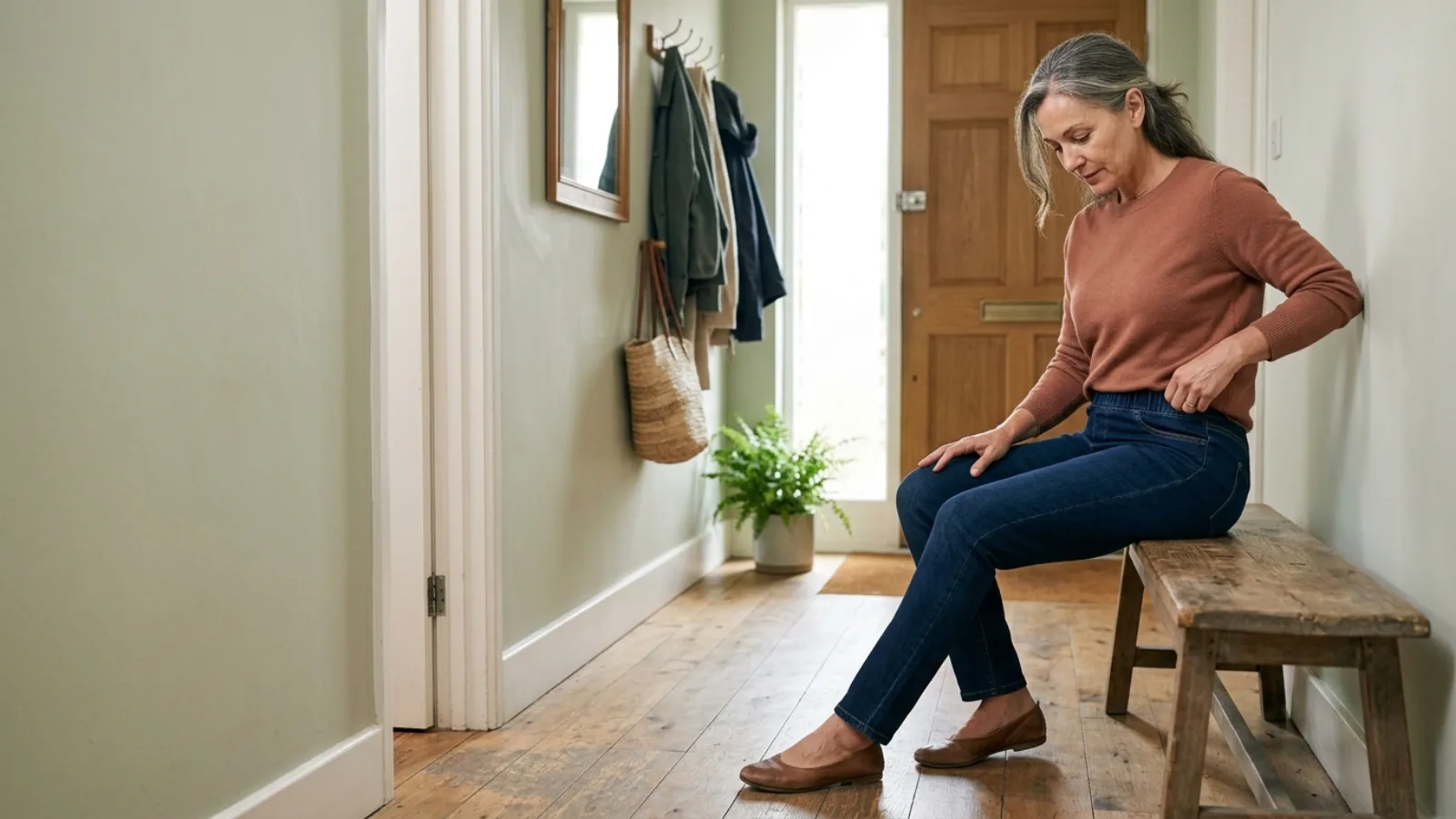
When you sit, the distance from your crotch to your waist at the back increases and the distance at the front decreases. A pattern that does not allow for it has to take the extra length from somewhere, and it takes it by pulling the waistband down.
The number to look for
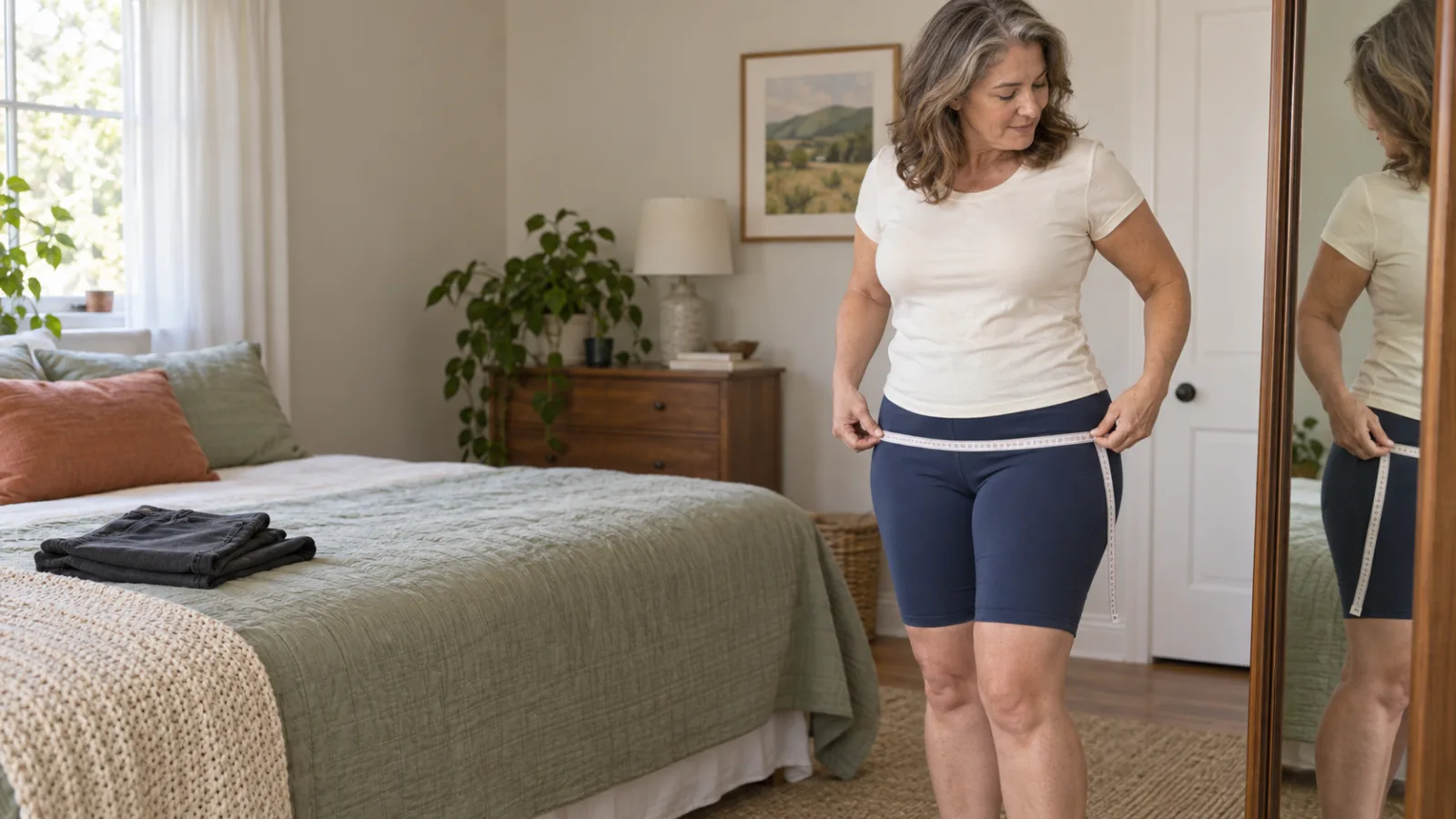
On most women’s blocks the back rise runs about 4 to 5 inches longer than the front rise. A pair listing a front rise of 10 inches and a back rise of 15 inches is drafted conventionally. A pair listing 10 and 12 is drafted for a body that does not sit down.
The figures below come from the sources listed at the end of this guide.
| What | Value | Source |
|---|---|---|
| back rise minus front rise lower bound | 4" | JEGINS Fit measurement standard |
| back rise minus front rise upper bound | 5" | JEGINS Fit measurement standard |
| conventional back rise example | 15" | JEGINS Fit measurement standard |
| insufficient back rise example | 12" | JEGINS Fit measurement standard |
What too little back rise feels like
You pull the waistband up, sit, and feel it slide. Standing up it is back where it was, so it reads as a fabric problem rather than a pattern one. Check the chart before you decide the pair has stretched out.
What to do about it
Choose a pair with a longer back rise, or choose a knit or elastic waistband that can travel with you without pulling down. Taking in a waistband makes a gap smaller; it does not add back rise.
Related questions
- back rise measurement
- how to measure back rise
- front rise vs back rise difference
- back rise too low
Related guides
Frequently asked questions
- How much longer should back rise be than front rise?
- About 4 to 5 inches on most women’s blocks. That difference is what lets the waistband stay put when you sit down.
- Why does my waistband drop at the back when I sit?
- Usually because the back rise is short relative to the front rise. Your body needs more length at the back when seated, and the garment takes it from the waistband.
- Can a tailor add back rise?
- Not meaningfully. A tailor can take a waistband in or reshape it, but adding rise means recutting the seat, which is rarely worth the cost.
Sources
- Trousers - Wikipedia
Background reference for the definitions used in this guide.
Accessed September 1, 2026
- JEGINS Fit measurement standard
Our published editorial standard for the figures used in this guide.
JEGINS Fit · Accessed September 1, 2026
Scope and limits of this guide
This guide describes what we have measured or sourced. It does not cover every brand, and body measurements vary: use it as a starting point and check the specific product page for its evidence level before buying.
Fit glossary · How we test · Editorial policy · Affiliate disclosure